Spring break offers families a short pause in the school routine. For students across schools in Riyadh, it is a time to rest after a busy term, spend more time with family, and enjoy a different routine to the day.
At the same time, many parents wonder how they can keep children active and curious during the break without turning the holiday into another school schedule.
Educators often remind families that engagement does not always come from structured lessons. In many cases, children remain curious through small everyday experiences that allow them to observe, explore, and participate in family life. Spring break can therefore become a time when learning continues through daily interactions and activities.
At OWIS Riyadh, we often encourage families to see learning as something that happens both inside and outside the classroom. School holidays can provide space for children to discover interests, ask questions, and stay mentally active in simple ways.
Everyday activities can encourage curiosity
Many important learning experiences happen through everyday routines. When children take part in simple household activities, they begin to notice patterns, solve problems, and build confidence.
Cooking together, for example, introduces children to measuring ingredients, following steps, and understanding timing. Helping to organize books or arrange their study space can develop planning skills and responsibility. Even a walk in the neighbourhood can lead to conversations about nature, weather, or the places children notice around them.
These small interactions allow children to stay mentally active while keeping the atmosphere relaxed during the school break.
Encouraging creativity through play
Creative play is one of the most effective ways children explore ideas. Activities including drawing, building, crafting, or designing simple projects help develop concentration and imagination.
Children might enjoy:
Drawing or keeping a small journal of ideas
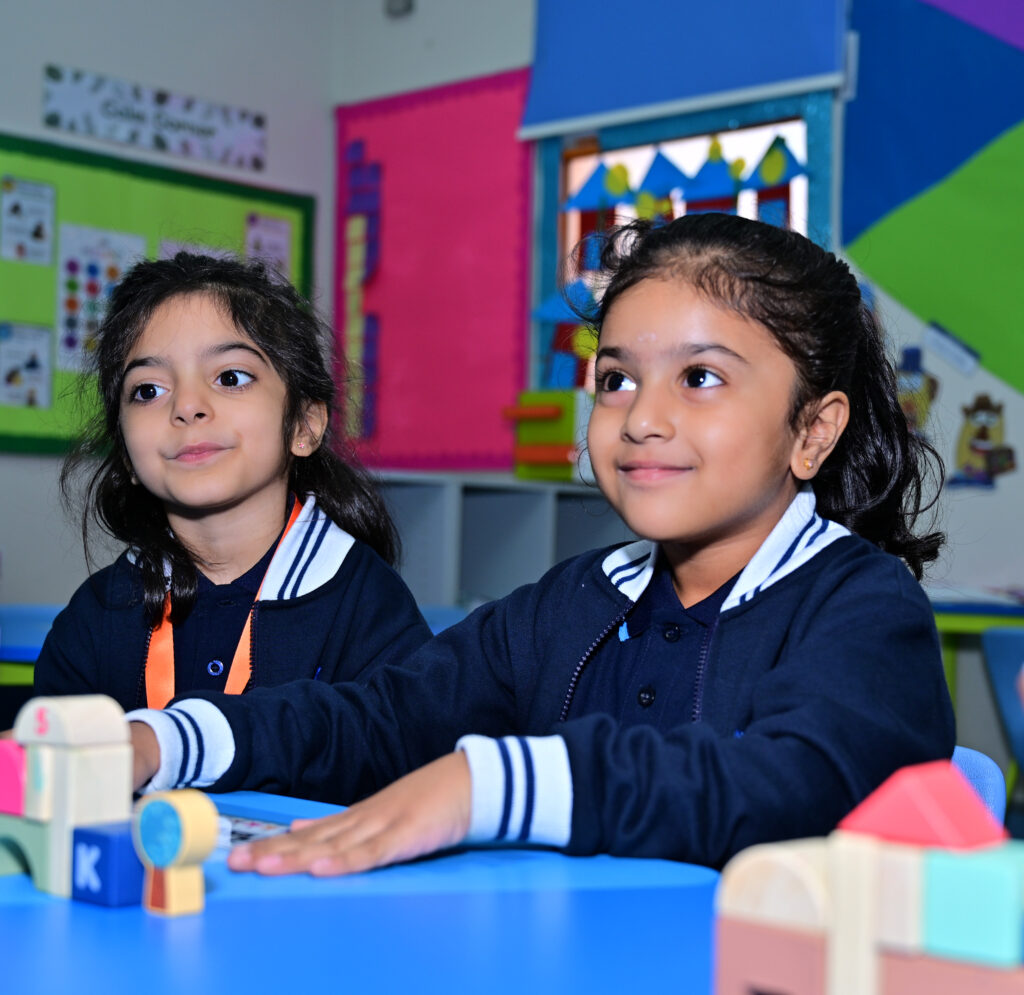
Building structures with blocks or household materials
Creating simple art or craft projects
Designing their own board games or puzzles
Open-ended activities allow children to experiment, think independently, and develop confidence in their ideas.
Games that keep young minds active
Games are another simple way families can support thinking and collaboration during the break. Board games, word challenges, and puzzles encourage children to think strategically and communicate their ideas.
Families may enjoy introducing small traditions during spring break, such as:
Family board game evenings
Puzzle challenges
Trivia questions about topics children enjoy
Word games that encourage vocabulary and thinking
Staying active during the break
Children also benefit from regular physical activity during school holidays. Movement helps them release energy, improve focus, and maintain a healthy routine.
Outdoor play, cycling, simple sports, or family walks can all help children stay active. Even indoor activities such as dance or movement games can add energy to the day.
For families living in Riyadh, early morning or evening outdoor time can be a great way for children to enjoy fresh air while staying comfortable.
Giving children space to explore
School breaks also provide an opportunity for children to explore interests that might not always fit into the school day. Some children may enjoy reading more, while others may prefer building, drawing, or trying a new hobby.
Parents do not always need to guide every activity. Giving children the freedom to explore what interests them often helps them develop independence and confidence.
A simple question such as “What would you like to try today?” can sometimes lead to creative and surprising ideas.
A note from OWIS Riyadh
Children take their cues from the adults around them. When parents approach learning with curiosity and warmth, even on a school holiday, children absorb that energy. You do not need to be an expert in every subject. You just need to be interested alongside them.
At OWIS Riyadh, we are proud to partner with families who are as invested in their children’s growth as we are. If you have questions about your child’s learning or would like to explore what our curriculum looks like in practice, our admissions team is always happy to connect.