

Key Takeaways
- Mispronunciations like "biyani" or "flidge" aren't errors to fix. They're signs your child is actively decoding language, sound by sound.
- Phonics teaches children to connect letters with sounds and blend them together, rather than memorising whole words by sight.
- Only about 23% of Grade 3 children in Indian government schools could read a simple Grade 2-level text in 2024, making early literacy support more important than ever.
- Simple home activities like Word Walk and I Spy turn phonics practice into playful, everyday moments instead of formal lessons.
- Look for a school where phonics is woven into inquiry-based learning and everyday play, not taught as an isolated drill.
- With consistent practice, most children start blending simple sounds within a few weeks. Patience and playfulness matter more than pace.
We are sure that you have seen your child pick up language at lightning speed, but the results are not always accurate, and that is exactly what makes it adorable. Your child might proudly ask for ‘biyani’ instead of biryani, or call the refrigerator a ‘flidge’, mixing up sounds while somehow still getting the meaning across perfectly. These small mix-ups are not mistakes to correct and forget. They are actually clues into how your child’s brain is working out the building blocks of language, one sound at a time. This same process, connecting sounds to meaning, sits at the heart of how children learn to read, and it has a name: phonics.
What Is Phonics and Why Does It Matter for Your Child?
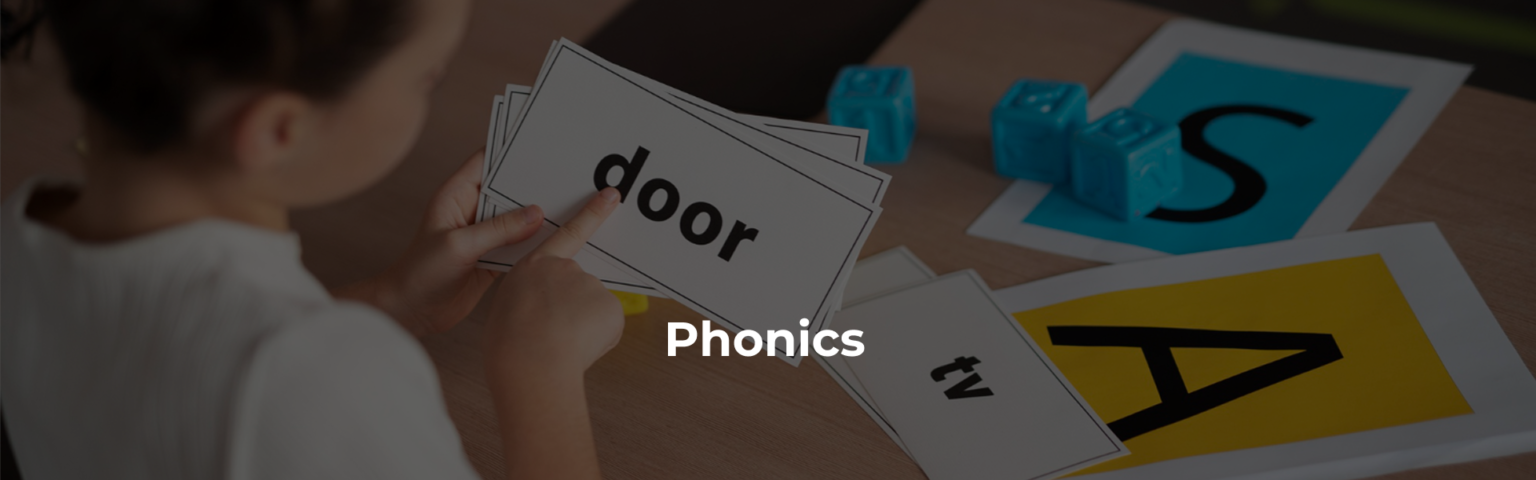
Phonics is a method of teaching children to read by connecting individual letters and letter groups with the sounds they make. Instead of memorising whole words by sight, children learn to break a word into its sounds and blend them together, much the same way they naturally experiment with sounds when they mispronounce a new word at home.
- Helps children sound out unfamiliar words independently
- Builds the foundation for spelling and writing
- Strengthens listening and speaking skills
- Makes reading feel like a fun puzzle rather than a chore
How Does Phonics Help Children Learn to Read Faster?
When your child mispronounces tree as tee, they are already doing the work phonics teaches formally, listening closely to sounds and trying to reproduce them. Structured phonics for kids simply gives this natural instinct some direction, teaching them which sounds go with which letters so their listening skills gradually turn into reading skills.
Why Is Building Strong Reading Skills Early So Important in India?
This foundation matters more than it might seem. Government data linked to India’s National Education Policy 2020 and the NIPUN Bharat mission shows that only around 23 per cent of Grade 3 children in government schools nationally could read a simple Grade 2-level text in 2024, even though this was the strongest showing since national assessments began tracking this in 2005. The mission has set 2026-27 as the target for every child to achieve foundational literacy by the end of Grade 3, which underlines just how much early reading support truly matters.
What Are Some Fun Phonics Activities You Can Try at Home?
Not every lesson has to be strict and within the four walls of a classroom. Here are some playful, low-effort phonics activities that can turn learning into something your child actually looks forward to.
| Activity | Best Age | How to Play |
| Word Walk | 4 to 6 years | Write simple words in chalk on the pavement, using your child’s school word list if you have one, then have them walk along each word, sounding it out as they go. |
| I Spy | 4 to 10 years | Say “I spy with my little eye something that begins with”, using the sound instead of the letter name, and let your young one guess. |
Which School Environment Supports Strong Phonics and Reading Foundations?
The right early environment reinforces everything you practise at home. When you are exploring preschools in Bangalore, look for classrooms where reading is built into everyday play, teachers use consistent phonics-based methods, and children are encouraged to sound out words rather than guess. A calm, print-rich classroom, with books, labels and word walls within a child’s reach, also makes a noticeable difference.
What Should You Look for in the Right Curriculum for Reading?
Curriculum design plays a big role too. A well-structured PYP syllabus builds reading and phonics naturally into inquiry-based learning, so children develop literacy skills alongside curiosity, rather than through isolated drills disconnected from the rest of their day.
Wrapping Up
Your child is already picking up on the language, listening, testing and refining sound-by-sound. With a little patience at home, a few playful games, and a school that treats reading as something to be enjoyed rather than drilled, your child’s mispronunciations today can turn into confident, independent reading tomorrow. The building blocks are already there. All they need now is the right support to put them together.
Recognised among some of the best international schools in Bangalore, One World International School builds phonics-based reading instruction into its early years and primary classrooms, guided by specialised educators trained in early literacy methods. Reading is nurtured as a joyful, everyday habit within a classroom environment that is safe, supportive and inquiry-driven, rather than treated as a standalone lesson. If you’d like to see this approach in action, schedule a visit to OWIS and discover how our early literacy program helps young learners fall in love with reading, one sound at a time.
Frequently Asked Questions
Most children begin building early phonics awareness between ages three and four, with structured instruction typically starting around age five.
No, phonics usually works alongside other approaches such as sight word recognition and shared reading, but it forms the core foundation for independent reading.
Many children start blending simple sounds within a few weeks of consistent practice, though the pace varies from child to child.
Yes, it strengthens spelling accuracy and helps with decoding new or unfamiliar words even after basic fluency is achieved.
This is a normal part of learning. Gentle repetition and playful practice, rather than correction, usually resolve it over time.