

Table of Contents
How Schools Can Teach Ethics Without Turning Them Into Rules
A five-year-old watches her classmate drop his snack on the floor. No teacher is around. She could ignore it, laugh, or help. What does she do? The events that follow the next set of her actions have nothing to do with the rules posted on a wall. They come from how she’s learned to observe other people’s responses to similar situations and how she’d apply them to hers.
Ethics education works best when children experience the consequences of their actions, rather than being taught moral values. The moment moral education becomes a list of “do this, don’t do that,” it loses its power. When children learn to follow only instructions, they never really develop the conscientious voice that guides good decisions.
So how do schools teach what’s right from wrong without reducing morality to a rulebook?
Step 1: Why Should We Define Moral Values Through Stories?
Children understand ethics through narrative long before they can articulate principles. A story about a character who finds a lost toy and must decide whether to keep it teaches more than any lecture on honesty. So, what you can do in your classrooms is:
- Show picture books that present moral dilemmas
- Discuss a character’s choices without labelling them “good” or “bad”
- Ask “What would you do?” and accept a range of answers
- Let children argue different sides of a situation
The IB early years programme incorporates ethical thinking into storytelling and play, enabling young children to develop moral values through experiential learning.
Step 2: How Can Teachers Create Situations That Require Ethical Thinking?
Rules tell children what to do. Ethical education helps them figure out what they should do.
When a classroom faces a problem, such as limited art supplies, conflicting ideas about how to spend free time, or a disagreement between friends, teachers can step back and let children work it out among themselves.
- Pose real classroom conflicts as problems to solve together
- Ask questions instead of providing answers: “How do you think Maya felt when you didn’t invite her to your birthday party?”
- Allow children to endure the consequences of their choices
- Avoid rushing to fix every dispute
Step 3: Why Should Teachers Lead by Example in Ethics Education?
Research from the University of Virginia found that children whose teachers demonstrated ethical reasoning showed stronger moral development than those who received only ethics instruction.
Children watch adults constantly. They register whether adults practise what they preach. Consciously make it a habit to
- Apologise when wrong, explaining what you’d do differently
- Think aloud through ethical decisions: “I’m not sure what the fair thing to do here is. Let me think about it.”
- Show respect for everyone in the school community, regardless of role
- Acknowledge when ethical situations are complicated
Step 4: Why Should Schools Allow Disagreements About Moral Values?
Ethics is subjective. Reasonable people disagree about fairness, loyalty, and responsibility. Schools that pretend otherwise miss the point.
When children argue about whether it’s okay to exclude someone from a game or whether telling on a friend is right or wrong, they’re making ethical decisions. These conversations shouldn’t be shut down; instead, they should be guided.
- Laud thoughtful reasoning, even when you disagree with the conclusion
- Let children change their minds publicly without embarrassment
- Distinguish between preferences and values
IB curriculum schools include reflection in daily practice, giving students regular opportunities to examine their own thinking and reconsider their positions.
Step 5: How Does the “What Would You Do?” Game Work?
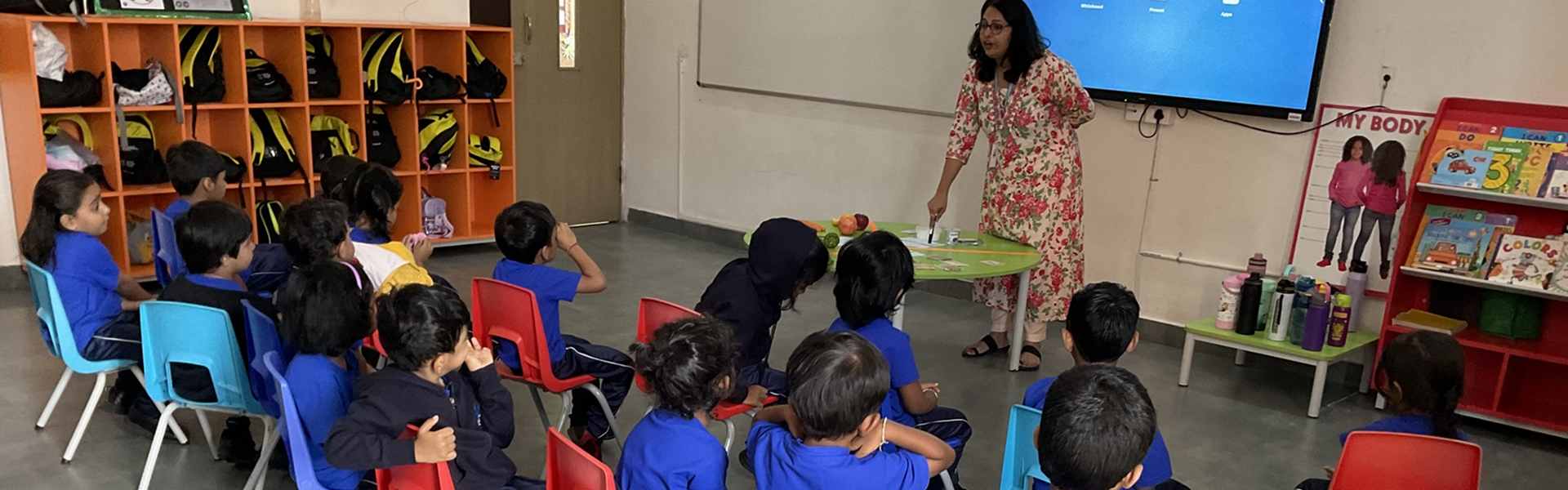
One strategy that works well across age groups is conducting a weekly ethics circle. Students sit together and discuss a real or hypothetical scenario with no straightforward answer.
| Age group | Sample scenario |
| Ages 5–7 | You find a toy on the playground. No one is around. What do you do? |
| Ages 8–10 | Your best friend copied answers during a test. The teacher asks if you saw anything. What do you say? |
| Ages 11–13 | A classmate is being left out of group chats and lunch tables. You’re not close to them, but you’ve noticed. Do you get involved? |
The circle has one rule: no judgment. Children speak, listen, and sometimes change their minds. The teacher guides without correcting. Over time, students become comfortable sitting with ethical ambiguity and thinking through consequences before acting.
Step 6: How Can Students Practise Moral Values in Daily Life
Moral values for students become meaningful only when they translate into actual behaviour. A child who understands kindness as a concept but never practises it has learned nothing useful.
- Service projects where children see the impact of their help
- Classroom jobs that require responsibility and follow-through
- Peer support systems where older students help younger ones
- Community connections that show children their actions matter beyond school walls
The goal is to develop people who notice when someone needs help, feel outraged when they see unfairness, and act on those feelings even when it’s inconvenient.
Conclusion: What Makes Ethics Education Effective?
International schools in Bangalore, India, that take ethics education seriously create environments where moral reasoning happens through stories, conflicts, relationships, and reflection.
The five-year-old who helps her classmate pick up his snack doesn’t do it because a rule tells her to. She does it because she’s learned, through hundreds of small moments, that other people’s experiences are just as meaningful as hers. That’s how you teach students moral values as they should be taught.
FAQs
Through stories, real situations, leading by example, open disagreements, ethics circles, and the daily practice of moral values.
The 5Ps are Purpose, Pride, Patience, Persistence, and Perspective, the guiding principles that shape ethical decision-making and moral character.
Yes. Ethics education should start as early as age five, so that children experience consequences and develop internal moral reasoning.
IB programmes incorporate ethical thinking through storytelling, play, daily reflection, and opportunities to reconsider or evaluate views and beliefs.
Children understand ethics through narrative before articulating principles; stories let them explore dilemmas without judgment.