

Table of Contents
How to Encourage Future Planning for Students in 7 Simple Steps
A 2019 study published in Learning and Individual Differences tracked university students who participated in structured goal-setting activities and found a 22% increase in academic performance compared to those who did not set personal goals. Students who wrote about their aspirations and mapped out concrete strategies performed better, regardless of whether their goals were academic or personal.
Planning for the future is essential because it gives students direction. When children know where they want to go, they become more invested in the steps required to get there. Schools that provide future-proof education understand that academic content alone is not enough. Students need skills in self-reflection, decision-making, and long-term thinking.
Here are seven practical steps to help students plan for the next steps.
1. Start with Self-Discovery
Before students can plan their future, they need to understand themselves. Self-discovery involves identifying personal strengths, interests, values, and areas for growth.
- Ask students to list three activities that make them lose track of time.
- Have them identify subjects where they feel most confident and those where they struggle.
- Encourage conversations about what kind of problems they enjoy solving.
The IB Middle Years Programme helps students regularly assess their own learning and connect classroom work to personal interests from an early age.
2. Set Goals That Are Specific and Achievable
Locke and Latham’s goal-setting theory shows that specific, moderately challenging goals lead to better performance than vague intentions. Telling a student to “do better in maths” is far less effective than asking them to “complete 20 practice problems each week for the next month.”
- Break long-term ambitions into small, manageable milestones.
- Write goals down. Students who document their objectives are more likely to follow through.
- Create deadlines for each milestone to maintain momentum.
3. Expose Students to Different Career Paths
Many students only know about a handful of professions: doctor, engineer, lawyer, and teacher. Broadening their awareness opens possibilities they may never have considered.
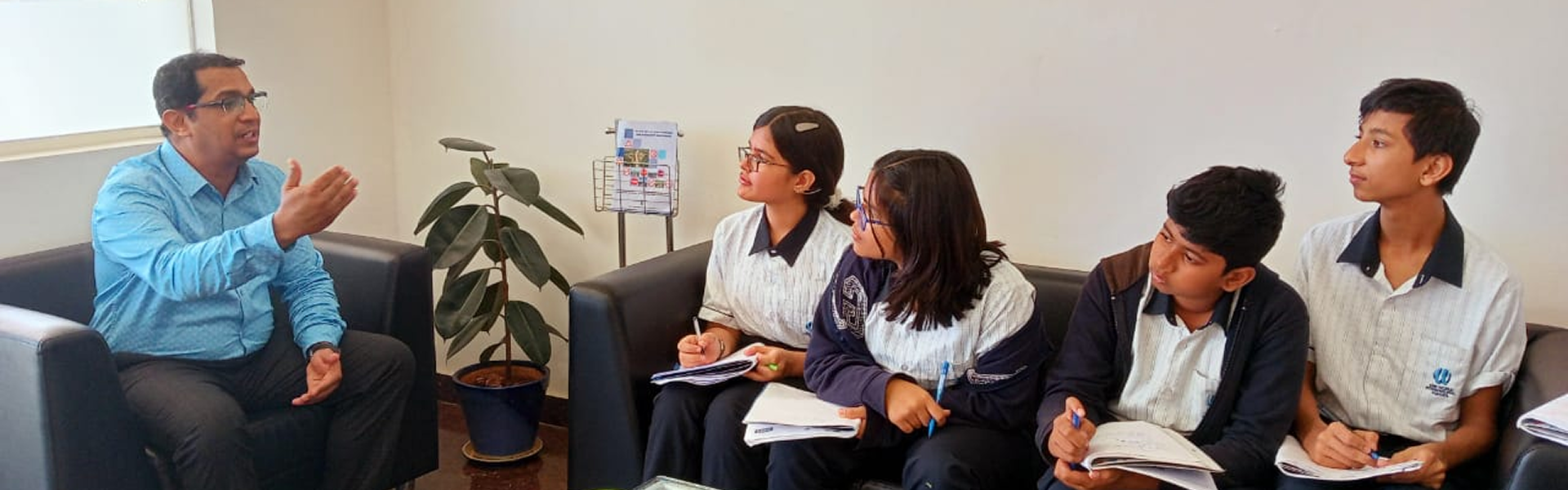
- Invite professionals from various fields to speak at the school.
- Arrange job shadowing or workplace visits so students can observe real work environments.
- Encourage students to interview family friends or neighbours about their careers.
4. Connect Academic Choices to Future Opportunities
Students are more engaged when they see how what they learn connects to their future goals.
- Show students the prerequisites for programmes or careers they are interested in.
- Map out how current subjects lead to future study options.
- Discuss how skills like critical thinking and communication apply across multiple career paths.
The IB Diploma Programme requires students to study six subject groups, providing a broad foundation while allowing depth in areas that match their goals.
5. Build Decision-Making Skills Through Practice
Future planning requires making choices, often without complete information. Students who practise weighing options and accepting consequences become more confident decision-makers.
- Give students meaningful choices in their learning, such as selecting project topics or presentation formats.
- Discuss the trade-offs involved in different decisions.
- Let students experience natural consequences when their choices do not work out, then reflect on what they might do differently.
6. Involve Families in the Planning Process
A 2021 nationwide study found that students who received support from both teachers and parents when developing their academic plans were more likely to follow through on their goals. Family conversations about the future provide context, encouragement, and accountability.
- Host parent workshops on how to discuss career options without adding pressure.
- Share career-planning resources with families so they can continue conversations at home.
- Encourage parents to discuss their career paths, including unexpected turns and what they learned from setbacks.
7. Review and Adjust Plans Regularly
A plan made at 14 will likely change by 17. Interests pivot, new opportunities appear, and students discover capabilities they did not know they had. Regular check-ins keep plans relevant and students engaged.
- Schedule annual reviews where students revisit their goals and adjust as needed.
- Track progress, even if it’s not at the pace you’d hoped for.
- Teach students that changing direction is natural and a sign of growth and new understanding.
Conclusion: Planning for What Comes Next
Future-proof education is not about predicting which jobs will exist in the next 20 years. It is about equipping students with the mindset and skills to survive regardless of what comes.
IB Schools in Bangalore, India, integrate structured planning throughout their programmes. From early years through to the diploma, students are encouraged to think about who they are, what they care about, and how they can contribute to the world.
The goal is not to have every detail figured out. It is to give students the confidence and tools to figure it out as they go.
FAQs
Self-discovery, specific goal-setting, career exposure, academic connection, decision-making practice, family involvement, and regular plan reviews.
The 888 rule divides the day into balanced segments: 8 hours for sleep, 8 hours for study or school, and 8 hours for personal activities, including rest, hobbies, and family time. It helps students maintain a healthy routine and also plan for their future.
IB programmes integrate self-assessment, broad subject exposure, and structured reflection throughout the early years to diploma level.
Limited career exposure, lack of self-awareness, and fear of making wrong choices often prevent students from planning confidently.
Parents provide context, encouragement, and accountability; students with family support are more likely to follow through on goals.