

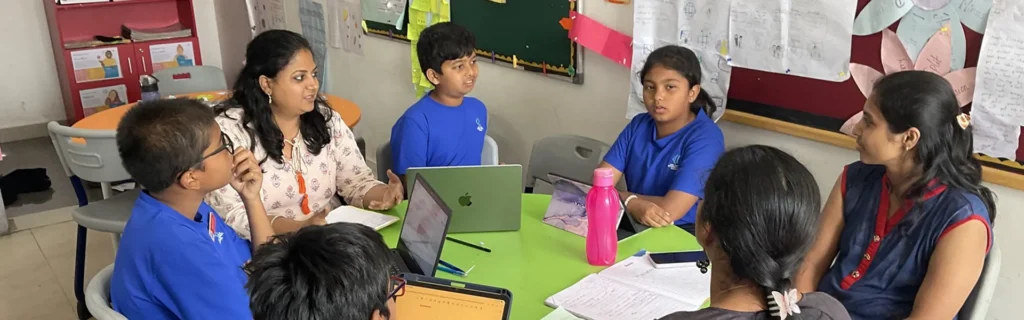
Imagine a classroom where failure is not feared; but is considered as feedback for improvement. A place where students do not just learn concepts but test ideas, pitch solutions and think like future founders. It sounds different, right?
That is the shift entrepreneurship education brings. It is not about turning every student into a business owner; it is about building confidence, creativity and real-world problem-solving skills. Because in today’s world, knowing what to learn matters, but knowing how to think matters even more!
If you are exploring international curriculum schools in Bangalore, this guide will help you understand how entrepreneurial skills are shaping the future and why schools like OWIS are leading the way.
What is Entrepreneurship Education and Why Does It Matter Today?
Let’s simplify it. Entrepreneurship education is not about starting a company at 15. It is about learning how to:
- Think independently
- Solve real problems
- Take initiative
- Turn ideas into action
According to the Government of India (DPIIT), India has over 1.97 lakh recognised startups under the Startup India initiative as of October 2025, making it one of the fastest-growing startup ecosystems globally. That means the future belongs to creators, innovators, and problem-solvers and not just job seekers.
Why Are Entrepreneurial Skills Becoming Essential for Students?
Today, the world is changing fast and traditional skills alone aren’t enough. A report by the Ministry of Education under NEP 2020 highlights the importance of:
- Critical thinking
- Creativity
- Experiential learning
Why These Skills Matter:
| Skill | Real-World Impact |
| Problem-Solving | Tackling and handling real-life challenges |
| Creativity | Generating innovative ideas |
| Leadership | Managing teams and projects with accuracy and dedication |
| Communication | Pitching ideas confidently |
| Adaptability | Thriving in uncertain environments |
These are the exact entrepreneurial skills students need for tomorrow.
How Do International Curricula Build Entrepreneurial Thinking?
Here is where global education stands out. Unlike traditional systems, international curricula focus on:
- Enquiry based learning
- Real-world applications
- Cross disciplinary thinking
How It Works in Practice:
- Students work on projects that solve real problems
- They collaborate in teams
- They present ideas like entrepreneurs pitching to investors
Learning becomes more active and not passive.
Which IB Subjects Encourage Entrepreneurial Skills?
One of the biggest strengths of IB is flexibility.
Key IB Subjects That Build Entrepreneurial Thinking:
| Subject | What students learn |
| Business Management | Strategy, marketing and finance basics |
| Economics | Market dynamics and decision-making |
| Design and Technology | Product creation and innovation |
| Visual Arts | Creative thinking and branding |
| Theory of Knowledge (TOK) | Critical thinking and questioning without any fear |
These subjects don’t just teach concepts, but they also train students to think like innovators.
Why is Bangalore a Hub for Entrepreneurial Education?
Let’s connect the dots. Bangalore is not just a city; it is India’s startup capital. It is also likely expected that Bangalore hosts a significant share of India’s startups and tech companies.
What This Means for Students:
- Exposure to real-world innovation
- Opportunities for internships and projects
- Access to a thriving entrepreneurial ecosystem
That is why parents are actively looking for schools with an international curriculum in Bangalore.
And here is the exciting part: students here do not just learn about entrepreneurship, they actually see it happening. From startup events to tech meetups and innovation hubs; the environment naturally builds curiosity, confidence and a problem-solving mindset. It is like growing up where ideas are not just discussed, but they are turned into reality.
How Do Good IB Schools in Bangalore Support Entrepreneurship?
Not all schools approach entrepreneurship the same way.
What the Best Schools Do Differently:
- Encourage idea-based learning
- Provide platforms for innovation (clubs, exhibitions)
- Focus on collaboration and leadership
- Integrate business and design thinking
The goal is not just to teach, it is to enable creation.
When Should Children Start Learning Entrepreneurial Skills?
Earlier than most parents think! Early exposure builds confidence to take initiative, communicate ideas, and embrace failure as learning, not fear.
Ideal Stages:
- Primary Years: Curiosity, creativity and problem-solving
- Middle Years: Collaboration, research and idea development
- Senior Years: Strategy, execution and real-world application
It is believed that the earlier the exposure, the stronger the mindset.
Where Do Students Apply These Skills in Real Life?
Let us make it real. Students who are trained in entrepreneurial skills can:
- Launch startups
- Lead projects in companies
- Work as innovators in tech and design
- Freelance or build personal brands
These skills are not optional anymore, but they are essential to ensure an innovative and successful career.
Who Benefits the Most From Entrepreneurship Education?
Not just future business owners. The best Fit for Students Who:
- Ask “why” more than “what”
- Enjoy solving problems
- Like working on ideas and projects
- Want to explore beyond textbooks
If your child is curious, IB is a great match.
What Are the Key Differences Between Traditional and Entrepreneurial Learning?
Here’s where things get interesting. This is not just a comparison; it is a mindset shift that completely changes how students learn, think, and grow in the real world.
| Traditional Learning | Entrepreneurial Learning |
| Memorisation | Application |
| Teacher-led | Student-driven |
| Fixed answers | Open-ended thinking and discussions |
| Exam focus | Real-world focus |
This shift defines the future of education in the good IB schools in Bangalore. Students are not just prepared for exams, but for life, innovation, and opportunities beyond the classroom.
How Does OWIS Build Entrepreneurial Skills in Students?
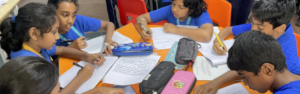
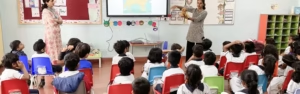
This is where it gets interesting. At OWIS, entrepreneurship education isn’t a separate subject; it is part of the learning culture. It is blended into everyday experiences so students naturally think, create, and act like problem-solvers from an early stage.
How OWIS Makes It Happen:
- How is curiosity encouraged?
Through inquiry-based learning, students are constantly asking questions and exploring solutions.
- How are ideas turned into action?
Project-based learning allows students to understand and work on real-world challenges.
- How are communication skills developed?
Presentations, group discussions and collaborative tasks build and boost confidence.
- How is global exposure integrated?
Students learn from different perspectives and ideas that prepare them for international opportunities.
- How is individuality nurtured?
Personalised attention ensures each student’s strengths are recognised and developed.
OWIS does not just prepare students for exams; it prepares them to lead, innovate and create. It equips them with the mindset to adapt, take initiative and confidently navigate an ever-evolving global future.
Final Thought: Are We Raising Students or Future Creators?
The future won’t belong to those who memorise the most. It will belong to those students who create, innovate and lead. That is what entrepreneurship education is really about.
So when choosing among the best schools offering IB subjects, don’t just look at academics, look at how a school builds mindset. The right school does not just prepare your child for exams. It prepares them to build something of their own.
FAQs
It focuses on developing problem-solving, creativity, leadership and innovation skills; helping students think independently and apply ideas in real-world situations.
They prepare students for a dynamic job market, enabling them to adapt, innovate and create opportunities rather than just follow the traditional career paths.
Subjects like Business Management, Economics, Design Technology and Theory of Knowledge help to build analytical thinking, creativity and decision-making skills.
They use project-based learning, real-world exposure, collaborative tasks and global perspectives to develop entrepreneurial thinking in students.
Yes, they focus on skill-based learning, global exposure and critical thinking, making students better prepared for modern careers and international opportunities.