

How International Schools Support Multi-Dimensional Growth?
A child wins a science competition but struggles to speak confidently in front of people. Another scores average marks but leads team projects, solves problems and communicates ideas with confidence.
Now pause for a second. Who is actually more prepared for the future?
For years, education was mostly measured through marks, rankings, and report cards. But today’s world works differently. That shift is exactly why conversations around the all round development of students are becoming more important than ever.
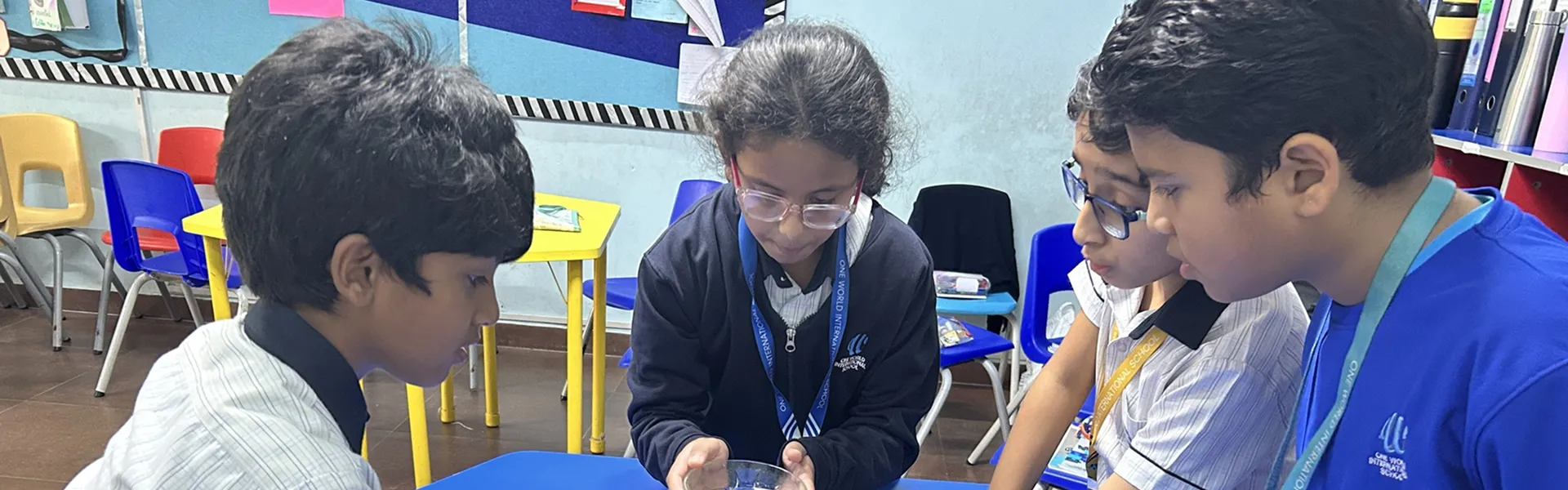
Many of the best international schools now focus on helping students develop not just academically, but also emotionally, socially, creatively, and globally. At OWIS, students learn through inquiry-led classrooms, collaborative learning experiences, leadership opportunities, and multicultural interactions that prepare them for real life and not just examinations.
Why Are Parents Looking Beyond Marks Today?
Here’s the reality: marks may open doors; but skills help students thrive once they enter. India’s education landscape is evolving rapidly. The National Education Policy (NEP) 2020 also highlights holistic and multidisciplinary learning as a major educational priority. Modern parents now understand that students need –
- Confidence
- Communication skills
- Collaboration abilities
- Emotional resilience
- Creativity
- Independent thinking
And honestly, these qualities cannot grow through rote learning alone.
What Does Multi-Dimensional Growth Actually Mean?
Multi-dimensional growth simply means helping students develop in multiple areas simultaneously. It includes:
| Development Area | Why it matters |
| Academic growth | Builds knowledge and concepts |
| Emotional growth | Helps students manage stress confidently |
| Social development | Improves communication and collaboration |
| Creative development | Encourages innovation and original thinking |
| Physical development | Supports health and discipline |
| Global awareness | Builds cultural understanding |
The strongest schools today do not treat students like exam machines. They recognise that every child learns and grows differently.
How Do International Schools Create Better Learning Environments?
Many traditional classrooms still prioritise memorisation. But several of the best international schools are redesigning education around participation, curiosity, and exploration. Instead of students sitting silently for hours, classrooms now encourage:
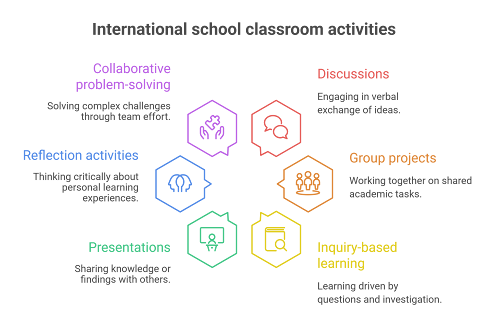
- Discussions
- Group projects
- Inquiry-based learning
- Presentations
- Reflection activities
- Collaborative problem-solving
This helps students become active learners rather than passive listeners. Students are made to feel comfortable expressing opinions, asking questions, and exploring ideas independently. They are also encouraged to think critically instead of simply memorising answers.
Which Skills Do Students Naturally Develop Through Holistic Learning?
| Skill Developed | Long-Term Benefit |
| Communication | Improves confidence and leadership |
| Collaboration | Prepares for modern workplaces |
| Adaptability | Helps students handle change |
| Creativity | Encourages innovation |
| Emotional Intelligence | Builds stronger relationships |
| Problem-solving | Improves independent thinking |
And honestly, these are the skills future careers increasingly demand.
Why Does the IB Learning Approach Support Multi-Dimensional Growth?
The IB programme focuses strongly on inquiry, reflection, collaboration, and independent learning. Students don’t memorise information repeatedly; the IB approach encourages students to:
- Explore real world practical concepts
- Ask meaningful questions and express concerns
- Connect learning across subjects
- Participate actively in discussions
- Reflect on their own thinking and ideas
This creates curious, globally aware and confident learners.
It also places equal importance on academics, creativity, emotional development, and social responsibility which naturally supports the all round development of students.
How Does OWIS Support Students Beyond Academics?
What makes OWIS different is its balance. Students are encouraged to gain academic excellence while also developing confidence, creativity, leadership, and emotional intelligence.
At OWIS:
- Learning is inquiry-led and student-centred
- Teachers become guiding mentors
- Students participate in collaborative projects
- Classrooms encourage curiosity and reflection
- Emotional stability is prioritised
- Technology integration that supports modern learning
This holistic approach helps students become not just successful learners but capable human beings. At OWIS, students learn within multicultural classrooms where collaboration, empathy, communication, and global awareness become part of everyday learning.
Final Thoughts
The world no longer rewards students only for remembering information. It rewards students who can –
- Think independently
- Collaborate effectively
- Adapt confidently
- Communicate clearly
- Lead empathetically
That is why holistic education matters more than ever today.
OWIS encourages students to grow intellectually, emotionally, socially, and creatively within globally connected classrooms that nurture curiosity, confidence, and lifelong learning. Through inquiry-led education, multicultural experiences, and student-centred learning, OWIS helps children become future-ready individuals prepared not only for academic success but for life itself.
If you are exploring the best international schools in Bangalore discover how OWIS supports meaningful learning experiences that truly shape confident global citizens.