


One student walks onto the stage, grabs the microphone, smiles, and speaks as if they were born for it. Another student freezes after saying just two lines.
Now here is the surprising part: the confident speaker probably was not naturally fearless.
Developing strong public speaking skills for students by age 12 simply happens when exposed to the right habits, encouragement, and environments early on. Confidence is rarely magic. It is usually practice disguised as personality.
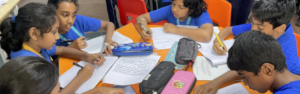
At schools like OWIS, students are encouraged to express ideas confidently from an early age through inquiry-led learning, collaborative projects, presentations and leadership opportunities within the International Baccalaureate Middle Years Programme framework.
What Small Habits Help Students Build Speaking Confidence?
The biggest myth about public speaking is that students need huge stages to improve. Actually; small daily habits make the biggest difference. Simple activities at home help students speak more naturally:
- Asking children to explain their day in detail
- Encouraging family discussions and playtime
- Letting children make small decisions independently
- Asking opinion-based questions instead of yes or no questions
For example: Instead of asking; Did school go well? Try asking – What was the most interesting thing you explored today? That tiny shift encourages thinking and expression.
Why Does Reading Aloud Matter?
Reading aloud improves –
- Voice clarity
- Pronunciation
- Confidence
- Expression
- Vocabulary
Students who regularly read stories, speeches, or articles aloud become more comfortable hearing their own voice publicly.
Pro tip: Ask students to record themselves reading short passages. Listening back helps improve confidence surprisingly fast.
Which Activities Make Public Speaking Feel Fun Instead of Scary?
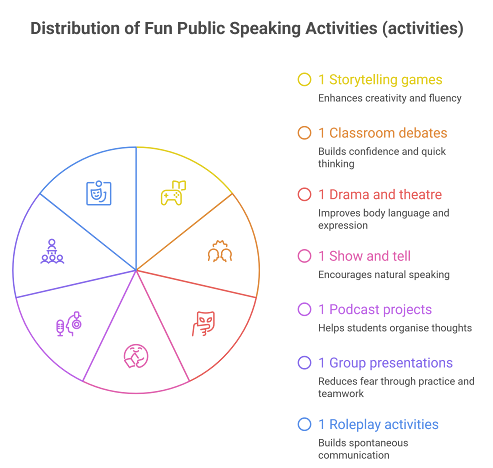
| Activity | How it Helps |
| Storytelling games | Improves creativity and fluency |
| Classroom debates | Builds confidence and quick thinking |
| Drama and theatre | Improves body language and expression |
| Show and tell | Encourages natural speaking |
| Podcast projects | Helps students organise thoughts |
| Group presentations | Reduces fear through practice and teamwork |
| Roleplay activities | Builds spontaneous communication |
Many educators across the best schools in Bangalore, India, increasingly focus on interactive speaking activities rather than memorised speeches alone.
Why Do Group Activities Build Confidence Faster?
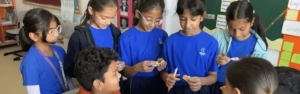
Students often fear performing alone. Collaborative speaking activities help students to –
- Feel less pressured
- Learn from peers
- Develop teamwork
- Improve listening skills
- Speak more naturally
How Can Parents Help Without Adding Pressure?
Sometimes adults accidentally make public speaking feel more stressful with constant corrections and over-expectations.
What Should Parents Do Instead?
Parents should often –
- Celebrate efforts and achievements more than perfection
- Avoid interrupting or judging them constantly
- Include storytelling naturally
- Allow children to be natural
- Appreciate their confidence
- Let students teach you something.
When children explain topics they enjoy, they speak with far more confidence.
Why Does School Environment Matter So Much?
Students become confident communicators when schools normalise speaking regularly. This includes:
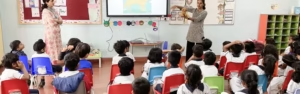
- Open classroom discussions
- Collaborative learning
- Presentation opportunities
- Leadership roles
- Debate clubs and assemblies
Schools like OWIS focus on creating emotionally safe classrooms where students feel comfortable expressing opinions without fear of judgment. They are encouraged to participate actively, ask questions confidently and communicate ideas through inquiry based learning. This naturally strengthens both critical thinking and speaking confidence.
What Are Some Easy Confidence Tricks Students Can Try Immediately?
Here are simple but effective speaking tips students can practise right away –
- Pause instead of rushing
- Make eye contact with one friendly face first
- Smile before starting
- Focus on ideas and not only on perfection
- Use hand gestures naturally
- Practise standing while speaking
- Record and review practice sessions
What Should Students Do Before Speaking Publicly?
Try the 3 Deep Breaths Rule:
- Inhale slowly
- Exhale slowly
- Repeat the same thing three times before speaking
Doing this can instantly reduce nervousness and improve voice control.
Pro Tip: Start with a sentence you know very confidently to reduce panic.
Why Are Communication Skills Becoming Essential for the Future?
Future careers will increasingly require:
- Collaboration
- Leadership
- Presentation skills
- Negotiation
- Creative thinking
Students who communicate confidently often adapt more successfully socially and professionally. That is why modern educators are focusing heavily on overall communication skills for students, not as extra skills, but as life skills.
Among the best IB schools in Bangalore, OWIS encourages students to think independently, communicate confidently, and participate actively through collaborative and inquiry-led learning experiences. Classroom discussions, group projects, presentations, debates, and peer-learning activities create a learning environment where students are constantly encouraged to express themselves openly and thoughtfully.
Beyond academics, OWIS also provides students with multiple opportunities throughout the year to participate in student showcases, exhibitions, performances, assemblies, and presentations. These experiences play a major role in helping students gradually overcome stage fear, improve public speaking abilities, and build the confidence to communicate clearly both inside and outside the classroom.