


A teenager can video call someone across continents, generate AI artwork in seconds, and chat with hundreds of people online daily and yet still feel lonely. Strange, right?
Technology has made life faster, smarter, and more connected than ever before. But somewhere between endless notifications, scrolling, and screen time, many people are realising something important: digital connection is not always the same as human connection.
That is exactly why conversations around the importance of human connection are becoming more relevant today, especially for students growing up in highly digital environments.
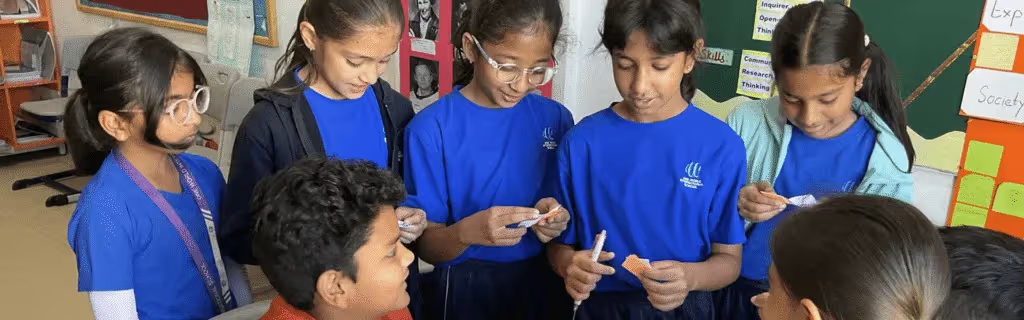
At schools like OWIS, learning is not only about academics or mastering IB subjects. It is also about helping students build empathy, collaboration, emotional intelligence, and meaningful relationships that technology alone cannot replace.
The goal is not to avoid technology completely. The goal is learning balance.

Even reducing screen exposure by small amounts can improve emotional well-being significantly.
Why Are People Talking More About Human Connection Today?
Technology is deeply woven into daily life. The Telecom Regulatory Authority of India (TRAI) mentioned that India crossed 950 million internet subscribers in 2025, with young users making up a huge percentage of digital engagement. At the same time, conversations around loneliness, digital fatigue and emotional well-being are growing rapidly. The real challenge today is not a lack of communication. It is a lack of meaningful communication.What Makes Human Connection So Important?
Strong human relationships help people to –- Feel emotionally supported
- Build confidence and empathy
- Improve communication skills
- Handle stress better
- Feel a stronger sense of belonging
How Has Technology Changed Human Relationships?
The impact of technology on human relationships is both positive and complicated. Technology helps people –- Stay connected globally
- Access information instantly
- Collaborate remotely
- Build online communities
- Face-to-face conversations
- Active listening
- Emotional attentiveness
- Real-world social confidence
What Are Some Signs of Digital Disconnection?
Many students today experience:| Digital Habit | Possible Impact |
| Excessive screen time | Reduced attention span |
| Constant notifications | Mental fatigue |
| Only online interactions | Lower social confidence |
| Multitasking constantly | Reduced deep focus |
| Social media comparison | Anxiety and insecurity |
How Can Students Strengthen Real-Life Communication?
Here are simple habits students can practise daily:- Avoid phones during family time
- Engage into one meaningful conversation daily
- Practise active listening without any interruptions
- Join outdoor collaborative activities or hobby clubs
- Spend more time outdoors with friends
- Maintain eye contact while speaking
What Role Do Schools Play in Building Human Connection?
Schools are one of the most important spaces where students learn how to interact, collaborate, and build relationships. Collaborative learning is integrated naturally into classrooms through:- Group discussions
- Presentations
- Inquiry-based learning
- Student-led projects
- Team activities
- Leadership opportunities
How Can Families Build Better Human Connections at Home?
Families can try –- Device-free dinners
- Weekend family walks
- Board game nights
- Storytelling conversations
- Asking open-ended questions
- Cooking together occasionally
What Are Some Easy Digital Balance Tips Students Can Try?

| Healthy Habit | Why it helps |
| Screen-free mornings | Improves focus and calmness |
| Phone-free study time | Builds concentration |
| Scheduled social media breaks | Reduces overstimulation |
| In-person hobbies | Improves social confidence |
| Reading physical books | Strengthens attention span |
Why Will Human Connection Matter Even More in the Future?
Ironically; as AI and automation grow, human skills may become even more valuable. Future careers will increasingly reward:- Empathy
- Leadership
- Communication
- Collaboration
- Emotional intelligence
- Creativity