

When parents think about “a good school,” they often picture strong academics, confident children, and a safe environment. However, today’s learners—especially Xennials, Gen Z, and the upcoming Alpha generation—need something more: a sense of belonging.
That’s where Xenial learning comes in.
The art and science of creating warm, inclusive, and caring classroom environments make every child feel valued and eager to learn.
It’s like learning wrapped in warmth. It’s a classroom culture where students support one another, work together without fear, and learn in a community that feels supportive.
At OWIS India, xenial practices help children excel academically and socially, giving them space to think, explore, and grow.
What is Xenial Learning and Why Does it Matter Today?
In education, Xenial practices are all about building classrooms where children feel safe, known, and cared for, regardless of background or ability.
Xenial Learning changes that dynamic by shifting the environment from “teacher-led instruction” to “community-led learning.”
Students don’t just attend school; they belong to it.
Xenial Learning in Early Childhood
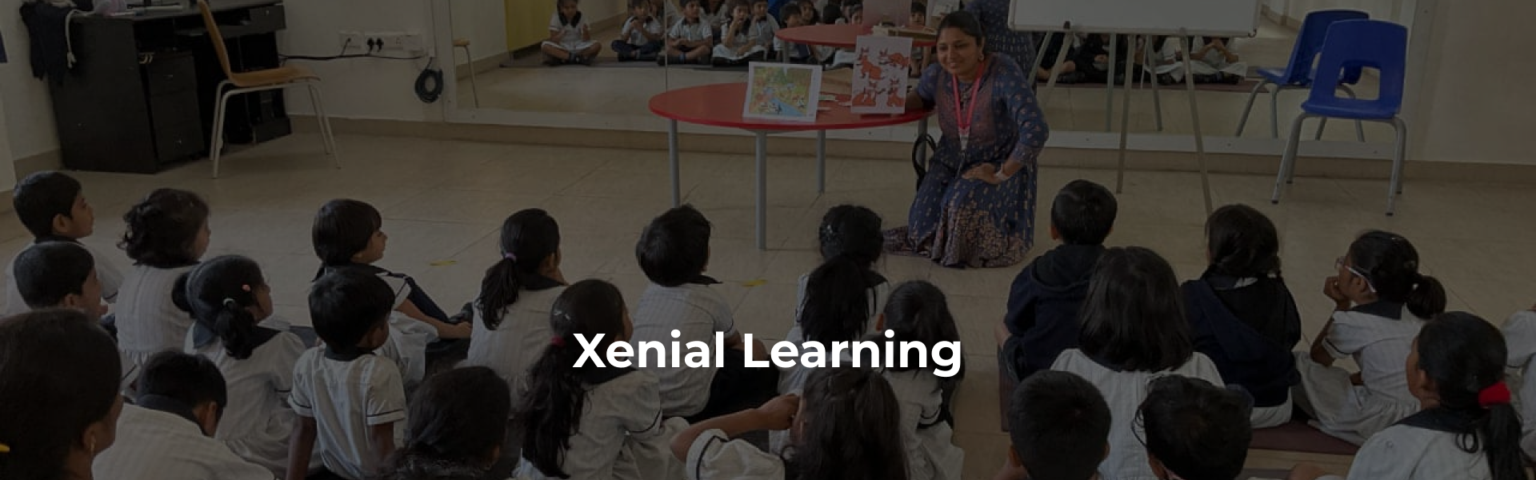
It starts intentionally in the early childhood and education classrooms with –
- Storytime that celebrates all cultures and differences.
- Play-based activities focused on sharing and turn-taking.
- Daily routine: Morning greetings, buddy helpers, and emotional check-ins.
Teachers at OWIS create safe routines, so every child feels known and secure.
Primary Years – Growing Empathy and Confidence
In the primary years programme, students work in teams, lead circle discussions, and participate in multicultural celebrations.
The group projects and hands-on learning help students foster responsibility and cooperation.
Middle Years – Community, Leadership, and Respect
The International Baccalaureate Middle Years Programme encourages students to mentor one another, debate respectfully, and design service learning to help them become global citizenship.
It builds deep critical thinking and global awareness within a respectful community.
Diploma Programme – Building Leaders, Not Just Achievers
During the Diploma Programme (DP), students are challenged to mentor younger students, organise community events, and model resilience, kindness, and advocacy for others.
The student guides communities of care by leading CAS projects. They oversee leadership and conduct team research. They demonstrate welcoming skills at the university and in broader settings.
Core Elements of Xenial Learning at OWIS India
At OWIS India, xenial learning is a core principle embedded in every IB classroom. It promotes academic growth and a sense of belonging, aligning with the IB’s holistic education philosophy.
- Inclusive Classroom Culture –
Every student is welcomed and valued. From early years to primary programme, multicultural celebrations, buddy systems, and class agreements ensure all learners feel included.
- Collaborative & Student-Centred Learning –
Instruction is built around teamwork: Students learn to help each other, not outdo each other. Students develop communication, global awareness, and empathy every day.
- Holistic Development –
Education goes beyond academics to nurture the whole child, focusing on their social, emotional, physical, and intellectual well-being. A wide range of co-curricular activities supports their all-round growth.
- Community-Service & Leadership –
Through service projects and everyday opportunities to help others, learners turn empathy into action. They gain a strong sense of purpose, building the collaborative, principled, and balanced leaders IB aspires to create.
- Reflective Communication –
Whether through classroom discussions, peer feedback, or reflective journals, students learn to express themselves, listen, and resolve conflicts – a key part of IB profiles.
Xenial Learning Practices & Their Impact
| Core Practice | How it Works in the Classroom | Impact on Student Development |
| Peer Collaboration Circles | Students work in small groups with different skill levels. They solve problems, share ideas, and reflect together. | It builds empathy, improves listening skills, and encourages students to participate confidently. |
| Community-Building Routines | Daily check-ins, gratitude rounds, and circle time create emotional safety. | It enhances emotional regulation, boosts student-teacher trust, and reduces classroom anxiety. |
| Service Learning | Students participate in local and global service projects, such as student-led food drives for local foster homes. | It cultivates social responsibility, empathy, a global mindset, and the desire to make a positive impact. |
| Care-based Classroom Climate | Warm, relational classrooms where every child is seen and valued. | It improved well-being, motivation, and academic persistence. |
| Reflective Communication | Class circles, restorative conversations. | Lower behavioural incidents & strong bonds. |
Conclusion
When schools create real relationships beyond textbooks and grades, children feel seen, valued, and supported. Friendly learning turns classrooms into communities that focus on care, connection, and teamwork, not just academics.
For IB students at OWIS India, this setting fosters empathy, global awareness, and resilience. It provides a supportive space where children can take risks, express themselves, and accept differences.
OWIS India demonstrates that when classrooms become caring communities, students not only succeed but also thrive and gain the confidence to create a better future for everyone.
FAQs
- How does Xenial learning fit with IB’s core philosophy?
Xenial learning aligns with the IB Learner Profile, fostering caring, communicators, open-mindedness, and principled traits through peer collaboration, inclusivity, and community projects from PYP to DP.
- Can a focus on classroom community distract from academics?
No, instead, when students feel cared for, their motivation, participation, and academic performance all improve.

With campuses located in Osaka's Ikuno ward & Ibaraki's Tsukuba City, OWIS Japan delivers IB-certified inquiry-based education to children aged 3-18. We foster a multicultural environment where students grow into future-ready independent thinkers, equipped with critical thinking, creativity and a love for learning. Our commitment to rigorous academics and personal development prepares students to excel in a global landscape.