

How Student Competitions Spark Creativity and Build Future-Ready Skills
Let us be honest; there is something magical about watching the excitement of your child when they are part of a fun competition. Student competitions go beyond trophies and certificates; these moments often spark more than just enthusiasm. They ignite new innovative ideas and nurture valuable life skills that shape young minds for the future.
At OWIS, one of the leading primary schools in Bangalore, we believe competitions are not just about winning; they are about discovering potential. When designed thoughtfully, even small classroom contests can fuel creativity, teamwork, problem-solving and a lifelong love for learning.
Let us explore how competitions for students can inspire brilliance, build character and turn curiosity into innovation.
What Makes Student Competitions Important for Children?
The Power of Small Competitions in Education
The concept of competition often gets a mixed reputation. Some fear it might create pressure while others see it as a catalyst for growth.
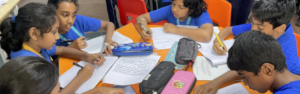
However; small victories create massive momentum in a child’s development. Even a simple classroom quiz or a mini art contest can encourage children to explore their talents in creative ways. Every time a child solves a puzzle, wins a friendly game or completes a challenging task, every win connects effort with reward.
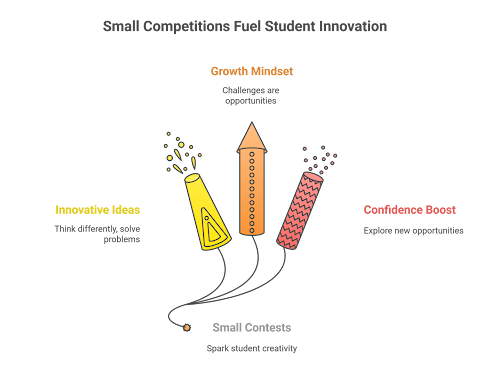
At OWIS, competitions are seen as celebrations of curiosity and learning. Instead of pushing children to outperform their peers, we encourage them to outdo their previous selves. This positive approach helps students build confidence and a growth mindset.
How Competitions Encourage New Innovative Ideas?
When children are given opportunities to compete in safe and encouraging spaces, something extraordinary happens: their imagination takes flight.
Competitions challenge students to think differently, to look at problems from multiple perspectives, to make decisions independently and to test out creative solutions. They develop a belief that they can successfully accomplish goals.
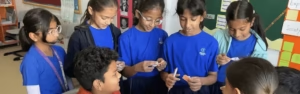
At OWIS, for example, we integrate small, theme-based competitions across subjects. Science projects may focus on sustainability or robotics, while art challenges might revolve around environmental awareness.
These experiences inspire students to link classroom learning with real-world issues. This also paves the way for new innovative ideas and a deeper understanding of global challenges.
How competitions encourage a growth mindset?
Competitions do more than just award trophies; they help children develop a significant psychological trait called a growth mindset. This point of view helps children see challenges as opportunities they can tackle which improves their learning and problem-solving abilities.
1. Learning from both wins and losses
Victory and defeat are powerful teachers in a child’s development journey. Children build stable self-esteem and resilience when they receive proper support after losses. They learn that their worth doesn’t depend on their performance.
Tips for helping children learn from competition results-
- Ask them to reflect on their learning with questions like “What worked well?” and “What could improve next time?”
- Celebrate effort whatever the outcome
- Point out specific skills gained through the experience
- Model positive responses to both success and failure
2. Understanding effort over talent
Competitions teach children that effort matters more than natural ability. This stands out as one of their most valuable lessons. Children who believe in growth mindsets credit their success to hard work instead of natural talent.
Children need praise for their learning process rather than fixed qualities. This vital approach makes them more likely to believe that intelligence can grow. They learn to stay resilient and keep going when obstacles appear.
3. Developing persistence through repetition
Students who regularly join competitions build persistence naturally. Children discover through practice that setbacks are temporary hurdles they can overcome, not permanent marks on their abilities.
Children in competitive environments learn better stress management. They develop improved emotional control and get comfortable with challenging situations.
Competitions shape how children handle challenges, failure and success. These experiences form the foundations of their growth mindset, going far beyond just testing what they can already do.
Building Confidence Through Participation
Every child shines differently. Some are naturally competitive, while others thrive in collaborative settings. The key is giving all children equal opportunities to explore new innovative ideas and opportunities without fear of failure.
Recent educational research shows that robotics and coding competitions significantly boost students creative output, computational thinking, problem-solving and innovation-oriented thinking skills far beyond textbook learning
When a student presents their project in front of peers or judges, they build self-confidence and public speaking skills. When they work as part of a team, they learn empathy, compromise, and communication.
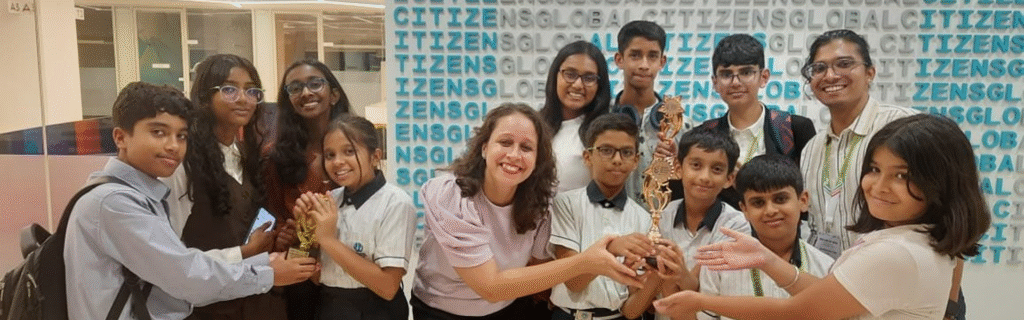
Even a small win can do wonders for a child’s self-esteem, but the true reward lies in the experience itself. At OWIS, competitions are structured to focus on participation and growth rather than just results. The goal is to encourage self-expression, not comparison.
How Do Early Childhood Competitions Support Creativity?
Early Childhood Competitions: Planting the Seeds of Creativity
Competitions in early childhood and education might look different, but they are equally important. At a young age, children are naturally imaginative, curious and unafraid to explore new ideas. Small and playful competitions tap into this energy beautifully.
These early experiences build the foundation for lifelong learning and innovation. The focus is not on winning but on understanding what I learn from this. That mindset transforms competition into an instrument of empowerment.
How Competitions Support Cognitive and Emotional Growth?
Competitions stimulate multiple areas of development simultaneously – cognitive, emotional and social. When children brainstorm ideas, they engage logical and creative thinking. When they face setbacks, they learn emotional resilience. And when they collaborate, they strengthen interpersonal skills.
At OWIS, we integrate these principles into our holistic approach. Every competition, big or small, is designed to reinforce emotional intelligence alongside academic growth. Students learn to celebrate others’ successes, appreciate diverse perspectives and manage both victory and disappointment with grace.
Why OWIS Encourages Competitions for Students?
At OWIS, we see competitions not as tests but as opportunities. They allow students to apply what they learn in classrooms to real-world scenarios. This experiential learning makes knowledge more meaningful and long-lasting.
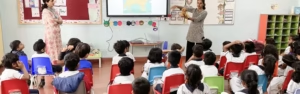
Our teachers play an essential role in shaping these experiences. They ensure that every competition remains inclusive, encouraging and reflective. Students are guided to analyse their performance, learn from mistakes and celebrate progress.
By promoting healthy competition, OWIS nurtures creativity and resilience while fostering a love for innovation. We believe that every idea, no matter how small, can grow into something extraordinary.
Small Competitions, Big Impact: Real-Life Examples at OWIS
From STEM fairs to art showcases, OWIS organises a variety of engaging competitions that promote collaboration and creativity.
- STEM Challenges– Students design prototypes or models that solve real-world problems; boosting innovation and teamwork.
- Creative Writing Contests– Young writers explore themes like kindness, sustainability and imagination to nurture empathy and literacy.
- Eco Competitions– From recycling drives to green design projects, these events promote environmental responsibility.
- Cultural Weeks– Students celebrate diversity through storytelling, music and art for developing intercultural understanding.
Each event serves a dual purpose; celebrating student talent while embedding key life skills that align with the IB Syllabus.
Conclusion: From Small Starts Come Big Ideas
When children are given the space to explore, create and share ideas, they surprise us with their imagination and insight. Small competitions are not just school activities; they are platforms for self-discovery and innovation.
At OWIS, every child is encouraged to dream boldly and think creatively. Because it is not just about competitions for students; it is about cultivating a generation that believes in the power of ideas.
Today’s small sparks can ignite tomorrow’s revolutions. And it all begins in a classroom that celebrates curiosity, collaboration and courage.