
Why Choosing the Right Primary School in Singapore Matters
For many families, the search for the best primary school in Singapore starts years before Primary 1 registration. Parents compare PSLE results, talk to neighbours, read online reviews, and scroll through every list of top primary schools in Singapore they can find. It can feel like you’re making a once-in-a-lifetime decision for your child’s future.
But here’s the reassuring truth: there is no single “best” primary school that fits every child. Singapore’s education system is built so that all primary school in Singapore follow a rigorous curriculum, emphasise core literacy and numeracy, and place growing importance on character and well-being. The real question is not “Which is the best?” but:
Which primary school is the best fit for my child and our family’s priorities?
A school that looks perfect on paper may not be ideal if it’s an hour away, too academically intense, or doesn’t align with your values. On the other hand, a so-called “neighbourhood” school can become your child’s happy place if it offers caring teachers, supportive classmates and a balanced approach to academics, CCAs and character development.
This guide gives you a clear, parent-friendly overview of how primary education works, how to read between the lines of school “ranking” lists, and how to build your own list of good primary schools in Singapore that truly match your child’s needs. We’ll end with how international schools, such as the OWIS Campuses in Singapore, fit into this landscape.
How Primary School Works in Singapore
Before you can choose the best primary school in Singapore, it helps to understand the structure of the system your child will be entering.
1 The Primary Years Journey
Primary education in Singapore typically covers six years, from Primary 1 to Primary 6, for children aged 7–12. Across these years, students build foundations in:
- English Language
- Mother Tongue Language (Chinese, Malay, Tamil or approved languages)
- Mathematics
- Science (usually from Primary 3)
- Character and Citizenship Education (CCE)
- Physical Education, Art & Music
- Social studies and other enrichment, depending on the school
The system places strong emphasis on literacy, numeracy and bilingualism, but is increasingly focused on values, socio-emotional learning and 21st-century skills such as collaboration and problem-solving.
2 Assessment and PSLE
Children are assessed through classroom tests, projects, and school-based exams. In Primary 6, they sit for the Primary School Leaving Examination (PSLE), which plays an important role in secondary school posting.
While PSLE is significant, the system has gradually moved away from ranking and excessive comparison between students, and schools are encouraged to emphasise holistic development rather than pure exam scores. That’s why when you evaluate a good primary school in Singapore, you should look beyond PSLE results alone.
Types of Primary Schools in Singapore
When you start exploring all primary school in Singapore, you’ll quickly discover that not all schools are the same. Each type has its own strengths and culture.
1 Main Types at a Glance
Here’s a quick overview to help you compare:
| Type of School | What It Is | Who It May Suit |
| Government | Fully run and funded by MOE; follows national curriculum; relatively low fees for citizens | Families prioritising affordability, proximity and consistency |
| Government-Aided | Established by community or religious groups but funded by MOE; may have faith-based or cultural ethos | Parents who value strong traditions, religious or cultural identity |
| Autonomous Primary Schools | Government or aided schools with more flexibility in programmes and curriculum | Students who thrive with enriched offerings (e.g., niche CCAs, academic enrichment) |
| SAP (Special Assistance Plan) Schools | Focus on bilingualism, with strong emphasis on Chinese language and culture | Families seeking high-level Chinese language, cultural immersion and strong academics |
| Schools with GEP Centres | Selected schools hosting the Gifted Education Programme | High-ability learners needing advanced curriculum and enrichment |
| International / Private Schools | Follow IB, British, American or other curricula; not part of MOE’s mainstream system | Expat families or locals wanting international pathways and global exposure |
Instead of asking “Which type is the best?”, ask which environment aligns with your child’s language profile, temperament, future pathways and your family’s values.

A Comprehensive Guide to the Best International Schools in Singapore.
What Makes a “Good” Primary School for Your Child?
Parents often search for “top primary schools in Singapore” and get long lists of big names. These can be useful, but they don’t tell you whether your child will feel happy and supported there. Here are more meaningful criteria to consider.
1 Location and Commute
For young children, short and simple journeys to school make a huge difference. Long commutes mean less sleep, less play, and more daily fatigue.
Ask:
- Is the school within a comfortable distance (e.g., 1–3km)?
- Is there a direct bus or MRT route?
- If your child has CCAs or remedial classes, what time will they realistically get home?
Location is also crucial because distance can affect your priority during P1 registration, especially for popular local schools.
2 School Culture and Climate
A school’s culture can be felt in the corridors, not just read on the website. A good primary school in Singapore often has:
- Students who are respectful yet cheerful and relaxed
- Teachers who speak to students with warmth and clarity
- Clear routines, but not an atmosphere of fear or excessive discipline
Try to visit during open houses or virtual tours. Observe how students behave and how teachers interact with them. Does it feel nurturing? Busy and energetic? Strict and high-pressure? Which suits your child best?
3 Academic Approach and Support
When evaluating top primary schools in Singapore, look beyond impressions and ask:
- Are there support programmes for students who need help in English or Math?
- How does the school stretch high-ability learners (e.g., special classes, enrichment, GEP)?
- How big are the classes, and how do teachers differentiate work for different abilities?
An ideal school challenges your child without overwhelming them, and offers help when needed.
4 CCAs, Holistic Development and Wellbeing
Singapore’s schools increasingly emphasise holistic development. Look for:
- A range of CCAs (sports, performing arts, clubs, uniformed groups)
- Programmes that develop leadership, resilience and empathy
- Presence of school counsellors and strong support for student well-being
These factors matter because your child will spend six years growing socially and emotionally, not just academically.
5 Language and Cultural Focus
Language policies and programmes differ across schools. Some questions to consider:
- Do you want a strong Chinese environment, like in SAP schools?
- Are you comfortable with your child taking a particular Mother Tongue, or do you need a school that offers alternatives or support?
- Would an international school with additional languages or a different language of instruction be a better fit?

Understanding Primary School “Rankings” and Popularity
When you see a list of top primary schools in Singapore, it’s worth asking: Based on what?
1 What These Lists Usually Reflect
Many informal ranking lists are based on:
- Historical PSLE performance
- Demand and oversubscription during P1 registration
- Status as SAP or GEP schools
- Reputation and alumni feedback
These lists can help you identify consistently strong schools, but they may also favour those in certain neighbourhoods or with long histories. Remember that MOE does not publish official rankings and emphasises that all schools are adequately resourced.
2 Why Popular Doesn’t Always Mean “Best for You”
A highly sought-after school might be:
- Very competitive and exam-focused
- Far from your home, leading to stressful commutes
- Hard to enter unless you have alumni connections or live extremely close
For some children, this is motivating and exciting. For others, it may be overwhelming. Don’t be afraid to prioritise a supportive environment over brand name prestige. Your child’s mental health, confidence and love of learning are long-term assets.
Registration Basics for Parents
Understanding P1 registration helps you decide how realistic certain “dream schools” are on your list of good primary schools in Singapore.
Phases in Brief
While details can change, P1 registration typically includes phases such as:
- Siblings in the School – priority for children with older siblings currently enrolled
- Alumni / Affiliations – parents who are alumni or linked to certain organisations
- Community or Religious Affiliates – for some aided or mission schools
- General Registration – places allocated by distance from the school
Within each phase, distance bands (e.g., within 1km; 1–2km; beyond 2km) may determine priority. If the number of applicants exceeds available spaces in a band, balloting is conducted.
What This Means for Planning
When you compile your list of top primary schools in Singapore, consider:
- Whether you live within 1km or 1–2km of the school
- Whether you have any alumni or other priority links
- Your chances of securing a place based on past balloting trends (where available)
It is wise to include schools where your child has a strong chance of entry based on distance and previous patterns, alongside aspirational options.
How to Shortlist the Best Primary Schools in Singapore
Here’s a simple step-by-step framework you can use to shortlist schools in a realistic and organised way.
Step 1 – Clarify Your Family Priorities
Sit down as a family and discuss:
- Maximum travel time you’re comfortable with each way
- Preferred school type (government, mission, SAP, international, etc.)
- Language needs (e.g., strong Chinese environment vs. flexibility in Mother Tongue)
- Preferred teaching and assessment style (more traditional vs. more inquiry-based)
- Budget for fees, school bus, and potential enrichment
You can even make a small table like this:
| Priority | “Ideal Scenario” for Our Family |
| Distance | Within 2km of home, or within 30–40 minutes door to door |
| School Environment | Nurturing, not overly competitive, clear discipline |
| Language | Strong English plus solid Chinese (or other Mother Tongue) |
| Pathway | Good PSLE preparation and flexible secondary options |
| Budget | Within our monthly budget, including transport |
Step 2 – Build a Location-Based Longlist
Using online maps and MOE school directories, mark every primary school within your preferred radius. Focus on:
- Whether the route is simple and safe
- Surrounding environment (traffic, noise level, nearby amenities)
- Whether the school is likely to be over-subscribed
From this, develop a longlist of 8–12 schools.
Step 3 – Research Each School in Detail
Now, deepen your research, ask:
- “What is [School Name] primary school culture like?”
- “Is [School Name] a good primary school in Singapore for creative kids?”
- “[School Name] primary school CCAs and student life”
Look at:
- Official school websites
- Balanced parent reviews and forums
- News or blog articles that highlight school achievements, programmes or initiatives
Step 4 – Visit (Physically or Virtually)
Where possible, attend open houses, webinars or school tours. Pay attention to:
- Classroom layout and learning spaces
- How students speak to teachers and to each other
- Facilities for sports, music, technology and inclusion
Many parents find that their ranking changes after seeing how schools feel in real life.
Step 5 – Finalise a Realistic Shortlist
Use what you’ve learned to arrive at:
- 2–3 “dream” schools (more competitive or popular)
- 3–4 solid options with good fit and reasonable entry chances
- 1–2 safe choices where you are confident about distance and availability
This combination gives your family a healthy balance of aspiration and practicality.
International Primary Schools in the Singapore Landscape
International primary schools have become a significant part of the education landscape, especially for expatriate and globally oriented local families.
Why Families Choose International Primary Schools
Common reasons include:
- Seamless transitions if relocating to other countries later
- Desire for curricula such as the IB Primary Years Programme (PYP), British curriculum or American standards
- Preference for pedagogies that emphasise inquiry, projects and conceptual understanding
- Exposure to a diverse, global peer community from a young age
These schools can complement the more structured approach of MOE schools, offering a different balance of academic rigour and holistic development.
Curricula and Learning Styles
In international primary schools, students often experience:
- Transdisciplinary units that integrate multiple subjects
- Strong focus on student agency – giving children a say in their learning
- Assessment through projects, portfolios and performance tasks, alongside formal tests
- Daily interactions with classmates from many cultural backgrounds
For some families, this combination forms their personal definition of the best primary school in Singapore for their child.
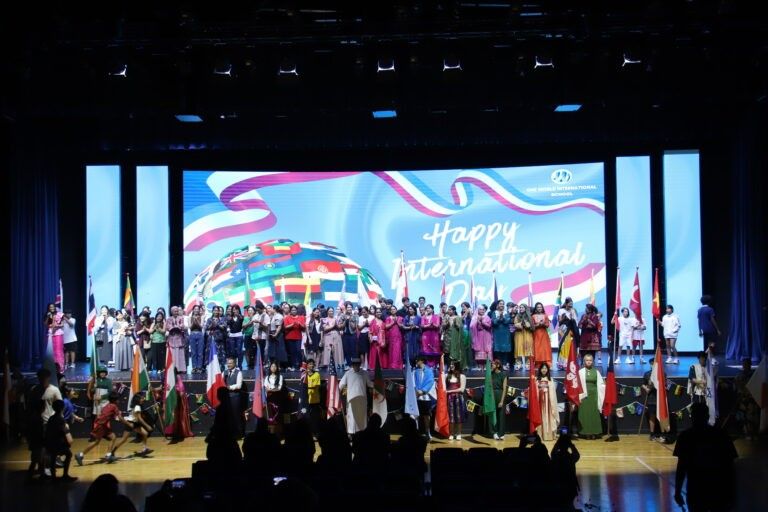
OWIS Campuses in Singapore: International Primary Options
Finally, let’s look at how One World International School (OWIS) fits into the bigger picture of top primary schools in Singapore from a parent’s perspective.
OWIS Singapore – Primary School Experience
OWIS Singapore offers a child-centred, inquiry-driven primary school experience that appeals to families looking for a gentle yet rigorous introduction to schooling. In the primary years, OWIS is often associated with:
- Implementation of international curricula such as the IB PYP or similar inquiry-based models that encourage questions, exploration and conceptual understanding
- A nurturing environment focused on kindness, respect and global citizenship, with emphasis on emotional safety as well as academic success
- A diverse, international student body where children learn alongside peers from many cultures, building open-mindedness and intercultural skills
- Balanced emphasis on academics, arts, sports and technology, so children can discover their strengths and interests
For parents defining their own best primary school in Singapore, OWIS Singapore may be especially attractive if you:
- Prefer an inquiry-led approach over traditional rote learning
- Want your child to grow up in a truly international setting
- Value strong communication between school and home, and a clear focus on student well-being
11. Final Thoughts: Your Child, Your Choice
With so many strong options across all primary school in Singapore – neighbourhood schools, SAP schools, mission schools, autonomous schools and international schools like OWIS Singapore – it’s easy to feel pressured to find a single perfect answer.
Instead of chasing someone else’s idea of the best primary school in Singapore, focus on:
- A school where your child will feel safe, supported and seen
- A realistic commute and environment that suits your family’s lifestyle
- A balance of academic challenge, CCAs and character education
- A values and culture that resonate with your own
If you take time to clarify your priorities, research thoughtfully, ask the right questions online, visit campuses where possible and listen to your child’s responses, you will discover not just a “top” school, but the right primary school – a place where your child can grow, learn and enjoy the journey.
FAQ:
Q1. What is the best primary school in Singapore?
There is no official or single best primary school in Singapore. MOE provides a strong curriculum and resources across schools. The “best” school will depend on your child’s personality, learning style, location, and your family’s values, not just exam results.
Q2. Where can I find a list of good primary schools in Singapore?
You can:
- Use MOE’s school directory to view all primary school in Singapore
- Consult reputable education blogs or portals that publish a list of good primary schools in Singapore based on multiple criteria
- Talk to parents in your neighbourhood about their experiences
Use such lists as a starting point, then refine them based on your child’s needs.
Q3. Are brand-name primary schools always better?
Not always. While brand-name schools may have strong academic records and histories, they can also be more competitive and stressful, and often require you to live very nearby for a realistic chance of admission. Many children thrive and perform well in less famous neighbourhood schools with caring teachers and balanced expectations.
Q4. Should I consider international primary schools in Singapore?
Yes, especially if:
- Your family is internationally mobile
- You want an IB, British, American or other non-MOE curriculum
- You value inquiry-based learning and a global mix of classmates
International schools can provide an alternative path alongside mainstream MOE schools and should be part of your broader list of good primary schools in Singapore if global exposure and flexibility are important to you.