
Private education forms an important part of Singapore’s broader schooling ecosystem, working alongside MOE public and government-aided schools. Within this sector are full-time private schools, international schools and specialised private academies. Together, they offer a wide selection of academic pathways, including the IB, Cambridge, American, Australian and various national curricula from across the globe.
Singapore is home to roughly 800 private education providers. These range from preschools and through-train international schools to enrichment centres, tuition providers, post-secondary institutes and vocational colleges. They serve both local and expatriate families. While this diversity provides families with meaningful choice, it can also make the search for the right fit feel overwhelming when comparing private schools in Singapore.
Any private institution enrolling 10 or more students must be registered with the Ministry of Education (MOE) or regulated by the Committee for Private Education (CPE) under SkillsFuture Singapore (SSG). Registration ensures compliance with essential standards relating to facilities, safety, curriculum structure and staff qualifications. However, it should be understood as regulatory approval rather than a measure of educational excellence.
Parents researching options online often come across official MOE listings that confirm whether a school is properly registered. They may also encounter independent comparison articles that attempt to rank private schools based on factors such as facilities, reputation, curriculum breadth and parent feedback.
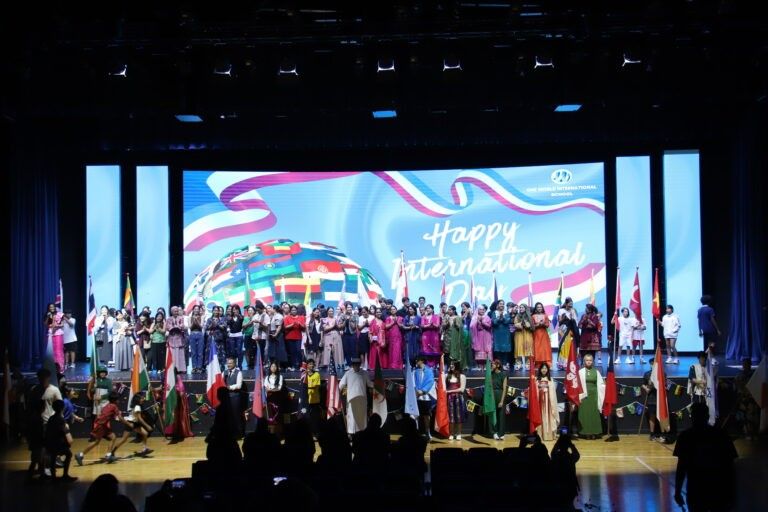
This guide highlights two widely recognised co-educational private schools — One World International School and Global Indian International School — outlining their fee structures, curriculum pathways and admissions processes in a clear comparison format for families preparing for the 2025–26 academic year.
Public or Private or Charter school in Singapore
Choosing a public or private school in Singapore isn’t just about rankings—it’s about curriculum fit, assessment style, mobility, and how a school’s culture supports your child’s long-term growth. Singapore’s public schools are globally respected and highly exam-aligned, while private and international schools offer more curricular choice and flexibility—especially useful for expatriate and mobile families.
This guide brings together research on public vs private school in Singapore, including the difference between private school and international school, and addresses the most common parent questions about private school vs public school.
In this article, you’ll find:
- reasons why private schools are better (for some families and situations)
- charter school vs private school in the Singapore context
- homeschool vs private school
- key benefits of private school
- core characteristics of private schools in Singapore
At a Glance: Public vs Private School in Singapore
If you’re short on time, here’s a quick comparison of public vs private school options:
- Public schools (MOE schools)
- Follow the Singapore national curriculum with strong focus on maths, science and bilingualism
- Larger cohorts, more standardised assessment, highly exam-aligned pathways (PSLE, O-Levels, A-Levels)
- Lower fees for citizens; higher but still subsidised fees for PRs and foreigners
- Private / international schools
- Offer curricula such as IB, Cambridge IGCSE
- Smaller classes, more holistic and inquiry-driven learning, broader co-curriculars
- Higher fees, but often with scholarship options and more flexible admissions
Many families discover that the question is less “Which is better—public or private school?” and more “Which system better fits our child, budget and long-term plans?”

Public vs Private School in Singapore – The Big Picture
Many families begin with a campus tour and discover that the decision isn’t “better vs worse” so much as “better fit for our child.” Singapore’s public system is highly structured and exam-aligned; private/international schools emphasise global curricula and flexibility—especially useful for mobile families.
Singapore has over 250 public primary and secondary schools and more than 50 private / international schools serving a diverse, largely expatriate cohort.
For expatriate families, local public schools can be attractive for their affordability and integration, but places are limited and admission is centrally managed by MOE. Private and international schools generally offer direct applications, rolling intakes and clearer visibility of available places, which is why they remain the dominant route for most expat families.
Difference Between Private School and International School in Singapore
In Singapore, many private schools are also international schools; the distinction comes down mainly to curriculum, regulation and community:
-
International schools
- Deliver globally recognised programmes such as IB, Cambridge IGCSE and CBSE
- Are designed for international transferability and globally mobile families
- Typically have diverse student bodies drawn from many nationalities
-
Private schools
- Definition includes schools such as enrichment centres, tuition centres and international schools owned by private entities
- Have more autonomy over curriculum design, teaching approaches and enrichment
- Often offer all-through pathways from kindergarten to Grade 12, including country-specific or international curricula
International schools like OWIS and GIIS are therefore part of the private-school landscape, but they stand out for their emphasis on international accreditation, diverse communities and globally recognised qualifications.
Reasons Why Private Schools Are a Great Option
Expat parents who ultimately choose the private/international route often cite these reasons—these are the reasons why private schools are better aligned to their specific needs:
1. Curriculum continuity and choice
IB, Cambridge, and CBSE enable smooth moves and university-ready transcripts. OWIS offers the IB Diploma pathway; GIIS provides IB, CBSE, and Cambridge under one roof, which helps if students want to pivot tracks later.
2. Assessment philosophy
Inquiry-driven, concept-based learning with ongoing assessment (instead of solely high-stakes exams) is frequently highlighted by international schools like OWIS.
3. Learning environment & culture
Values-driven cultures (e.g., OWIS’s emphasis on kindness) and diverse cohorts can nurture confidence, communication, and a global outlook.
4. Opportunities & access
Scholarships (e.g., OWIS Global Citizen Scholarship) can make an international education more accessible and reward merit.
Benefits of Private School
When parents talk about the benefits of private school in Singapore, they usually highlight:
- Global credentials
- IB Diploma or Cambridge IGCSE are recognised by universities worldwide.
- Holistic growth
- Co-curriculars, service, and leadership are built into programmes across OWIS, supporting character, creativity and well-being.
- Structured guidance to university
- Clear progression and counselling in the upper grades, such as the IB Diploma at OWIS, with a strong focus on global admissions requirements.
- Scholarship pathways
- Multiple OWIS scholarship categories—including the Global Citizen Scholarship—support talented students and can offset part of the fee investment.
These benefits of private school matter especially for families who expect cross-border moves or who are targeting overseas universities.
Characteristics of Private Schools in Singapore
Common threads you’ll find across Singapore’s private/international landscape include:
- Curricular breadth
- IB PYP/MYP/DP, Cambridge IGCSE, CBSE, and sometimes Montessori in early years.
- Diverse student bodies
- A mix of nationalities and flexible intake points that suit mid-year relocations and mobile families. Many schools purposefully cap any single nationality to maintain balance.
- Values-focused ethos and future-ready skills
- Emphasis on kindness, collaboration, global citizenship, digital fluency and critical thinking—skills that align with emerging 21st-century competencies highlighted by Singapore’s national education agenda.
These characteristics of private schools are key reasons families shortlist them when comparing private school vs public school options.
Charter School vs Private School (Singapore Context)
In many North American discussions, parents ask about charter school vs private school. In Singapore, however, “charter schools” are not a formal category within the Ministry of Education system.
In practice, families here are choosing between:
- Public (MOE) schools
- Private/international schools
If you like what charter schools typically offer—autonomy, innovation, tight community feel—you can map those preferences to Singapore’s private/international options such as OWIS and GIIS, which:
- Have significant flexibility in curriculum and programme design
- Can innovate in areas like project-based learning, well-being and digital literacy
- Build close-knit communities, often with strong parent-school partnerships
Homeschool vs private school in Singapore is another decision some families could consider.
Homeschooling
Homeschooling offers:
- Full control over pacing and day-to-day learning environment
- The ability to personalise curriculum around a child’s interests
However, it also requires parents or tutors to:
- Design or select curricula and assessments
- Ensure sufficient academic breadth and progression
- Create structured opportunities for socialisation, sport and co-curricular activities
In Singapore, homeschooling is permitted under specific regulations and involves approval and periodic assessment for compulsory-school-age children.
Private / International School
Private/international schools provide:
- Recognised qualifications (IB, IGCSE, and others), with clear progression from primary through upper secondary.
- Built-in social networks, peer learning and school-organised activities.
- Guidance counselling aligned to global university admissions, including subject selection and application support.
For families relocating frequently or targeting international universities, these structured pathways can be a decisive advantage when weighing homeschool vs private school.
Public vs Private Schools vs Charter Schools in Singapore
Looking ahead to 2026, the core comparison in Singapore will almost certainly remain private school vs public school, with “charter schools” still unlikely to appear as a formal category in the system.
What is evolving across both public and private education in Singapore is the emphasis on:
- Digital fluency and AI-ready skills
- Global competencies and intercultural understanding
- Flexible, multi-pathway routes into higher education and work
Private/international schools like OWIS and GIIS signal this shift through:
- Expanded use of IB and other international curricula
- Purpose-designed digital campuses and tech-enabled learning environments
- A pathway that allows students to progress from Cambridge IGCSE to IB DP to attain their university goals.
For parents planning ahead, this means your public vs private school decision for 2025 should factor in not just today’s exam results, but how each pathway is preparing students for a more digital, global and flexible future.

Brand Spotlight: OWIS and GIIS—Quick Links & Highlights
Before you dive into the comparison table, here’s how to use it: shortlist by curriculum (IB/IGCSE/CBSE), campus location, entry points, and scholarship options. If you’re still undecided on public or private school, this side-by-side view translates brochures into an at-a-glance tool—helpful when aligning choices with your child’s learning style and long-term plans.
Comparison at a Glance
| School | Core Curricula (K–12) | Singapore Campuses | Signature Ethos / Strengths | Upper-School Pathways | Scholarships |
| OWIS | IB PYP, Cambridge IGCSE, IB DP | Nanyang Campus, Digital Campus, Newton Campus | IB-anchored, inquiry-led learning; kindness-centred culture and global mindset | IB Diploma Programme with guidance to universities worldwide | (Check school site; scholarships vary by intake) |
| GIIS | GMP (Kindergarten), IB PYP, Cambridge IGCSE, IB DP, CBSE | SMART Campus (Punggol), East Coast | Multi-curricular flexibility; tech-enabled learning ecosystem | CBSE (Grades 11–12) or IBDP with established counselling | Multiple categories, including Global Citizen Scholarship |
Sources: OWIS curricula overview & IB Diploma pages; GIIS curricula and scholarship pages.
How to Decide – A Short Checklist for Parents
Use this checklist to organise your thoughts on public vs private school in Singapore:
- Curriculum fit
- IB and Cambridge vs the Singapore national curriculum
- Alignment with your child’s strengths and target universities
- Assessment style
- Inquiry-driven continuous assessment vs exam-focused milestones
- Mobility & timing
- How easily can your child transfer between countries or systems?
- Intake windows and waitlist risks, especially for MOE schools
- Culture & support
- School values, well-being initiatives and pastoral care
- Co-curriculars, learner support and university guidance
- Value & access
- Total cost of education (fees, transport, enrichment)
- Availability of scholarships and financial aid in private schools
Our Expert Opinion
When weighing public or private school options in Singapore, try to move beyond the idea of one system being “better.” Instead, focus on how each option’s curriculum, assessment and culture align with your child’s needs and your family’s circumstances.
For many families, the difference between private school and international school blurs—schools like OWIS and GIIS show how private school vs public school decisions often come down to:
- Flexibility and continuity across countries
- Recognition of qualifications worldwide
- A whole-child approach to learning and well-being
FAQ: Public vs Private School in Singapore
Q1. What’s the key difference between private school and international school in Singapore?
A: Many private schools are also international schools. The main differences are curriculum and community. International schools (like OWIS, GIIS) deliver IB/Cambridge programmes designed for global recognition and mobility, usually with highly diverse student bodies.
Q2. Which is better—public or private school in Singapore?
A: It depends on fit. Public schools are MOE-run, exam-aligned and relatively affordable for Singaporeans, with strong academic results and a national focus. Private/international schools offer curricular breadth (IB, IGCSE), flexible intakes, smaller classes and global pathways. Further, foreigners or not expats aren’t guaranteed a place in public schools. The “better” choice is the one that best matches your child’s learning profile and your family’s long-term plans.
Q3. Does OWIS offer the IB Diploma Programme?
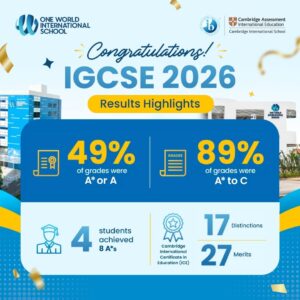
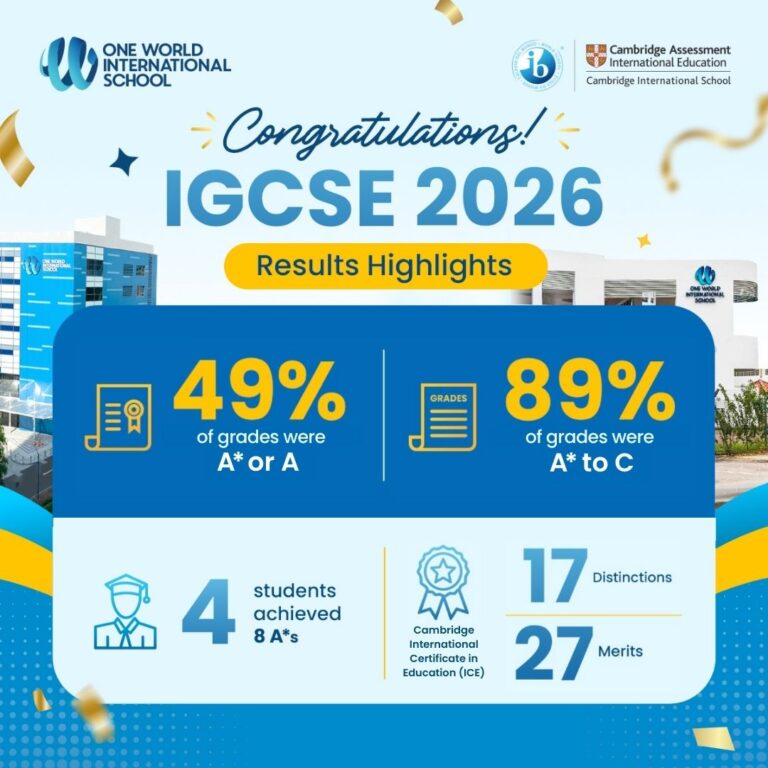
A: Yes. OWIS runs the IB Diploma Programme (IB DP) with published cohort outcomes and global university placements.
Q4. Are there scholarships for international schools in Singapore?
A: Yes. OWIS runs several scholarships—including the Global Citizen Scholarship—with different criteria and application timelines. Many international schools also offer merit- or need-based awards, so it’s worth checking each school’s admissions and scholarship pages.
Q6. Can Singaporean students enrol in international (private) schools?
A: Yes, but Singaporean citizens usually require MOE approval and must meet specific conditions (for example, having at least one foreign parent or returning from overseas education). Families should review the latest MOE guidelines and consult their chosen international school’s admissions team.
Q7. Is homeschooling recognised in Singapore?
A: Homeschooling is allowed under certain conditions, particularly for children of compulsory-school age, but families must apply for permission and meet learning outcomes set by MOE. If you’re comparing homeschool vs private school, factor in the time and expertise needed to design a rigorous, broad curriculum at home.