Summary:
- OWIS Digital Campus in Punggol added a new focus area for the House System in Early Childhood & Primary School, through which students took up projects that would bring about a positive change.
- Students across four Houses—Acacia, Wisteria, Willow, and Flame—collaborated in mixed-age groups on themes of Education, Wellbeing, Environment, and Social Action.
- Weekly House sessions enabled students from different grade levels to work together on service-learning projects such as storytelling, sustainability, and community outreach.
- The programme strengthened student leadership and voice, with House Captains and Vice Captains guiding initiatives and fostering cross-grade collaboration.
- The initiative culminated in impactful charity work, raising $2110 for World Vision and supporting donations of clothes and handmade items for families in need.
At the start of the academic year 2025-26, an interesting idea presented itself to the Primary School leaders at OWIS Digital Campus in Punggol.
What if the house system could have a deeper purpose beyond competitions to help to nurture our core values of kindness and international mindedness?
What if students could come together across grade levels not only to build house spirit, but also to create meaningful impact within the wider community?
Guided by this vision, the Primary School leaders introduced a unique House Project System where every House worked together on a project towards a common goal, encouraging students to collaborate, take action, and contribute positively to the world around them.
A House System With Purpose
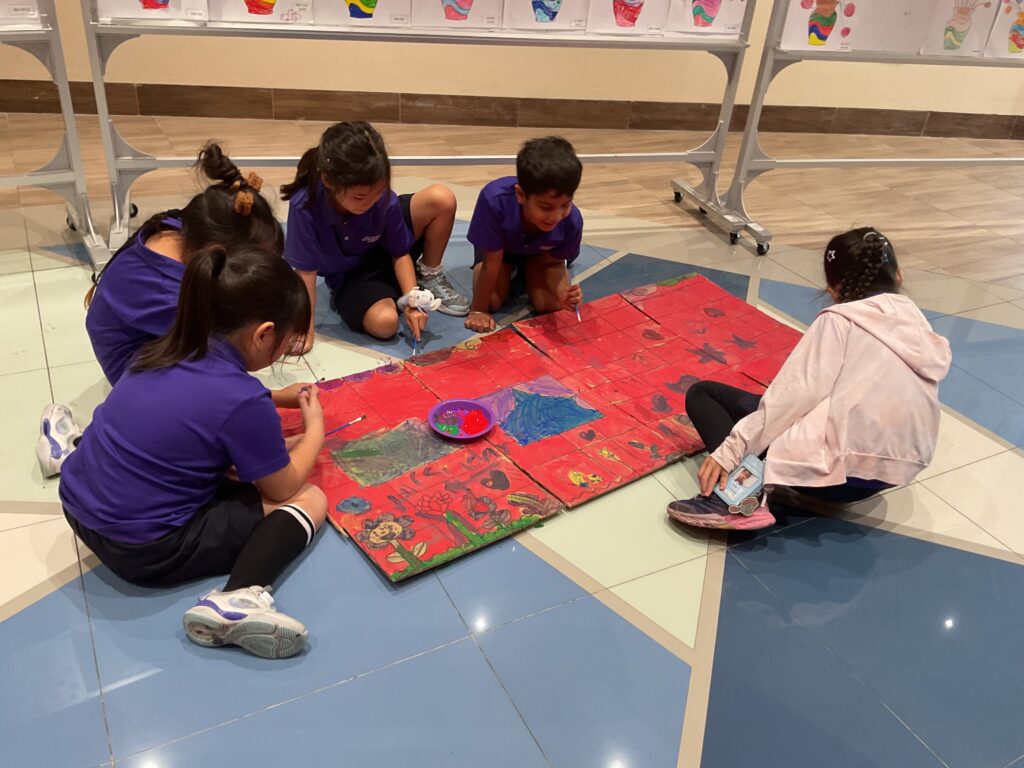
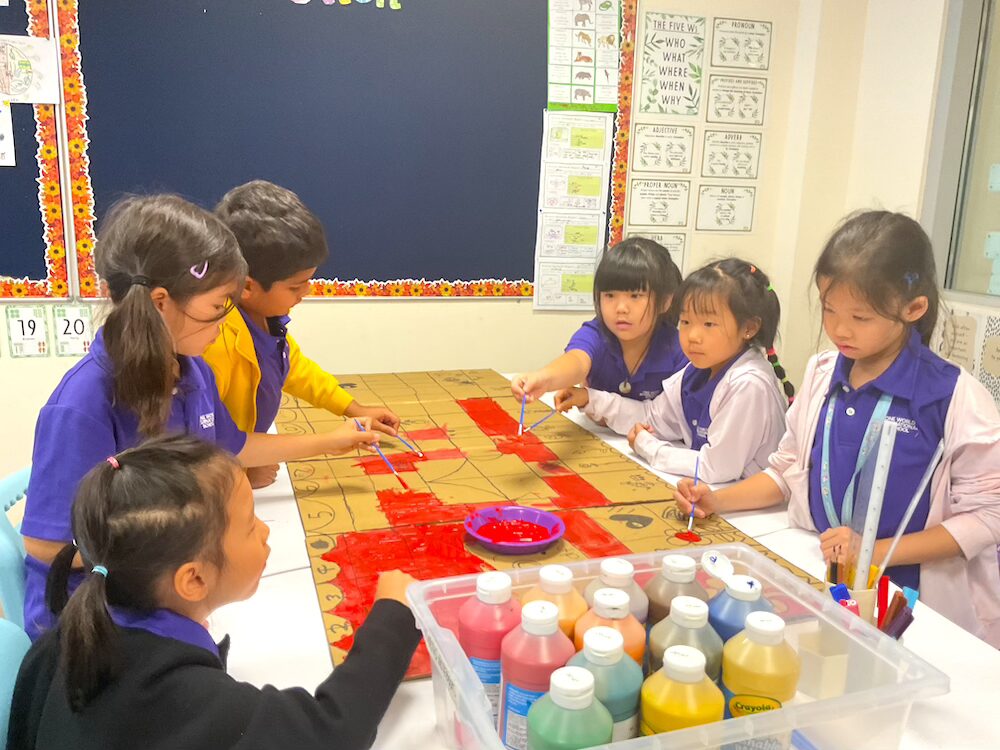
At the beginning of the academic year, our Primary School students in the four houses – Acacia, Wisteria, Willow and Flame – were given the opportunity to choose a goal across four key areas that align with the UN Sustainable Development Goals: ‘Education’, ‘Wellbeing’, ‘Environment’ and ‘Social action’. Working alongside teacher leads, House Captains, and Vice Captains, students explored how they could contribute meaningfully to their chosen goal through projects and activities that connected learning with real-world impact.
Every Wednesday during the dedicated House period, students gathered with peers from their respective Houses across grade levels to work on projects connected to their shared theme. This structure allowed students from different age groups to interact regularly, fostering a strong sense of belonging and connection throughout the Primary School community.
“If you were here on a Wednesday, you would see Grade 2 Acacia together and Grade 3 Acacia together, all mixing up and working on this project,” Mr Adrian Deller, Head of Early Childhood and Primary School, explained. “There is an overall project, and each grade level is doing something slightly different to contribute to it.”
Learning Through Service and Creativity
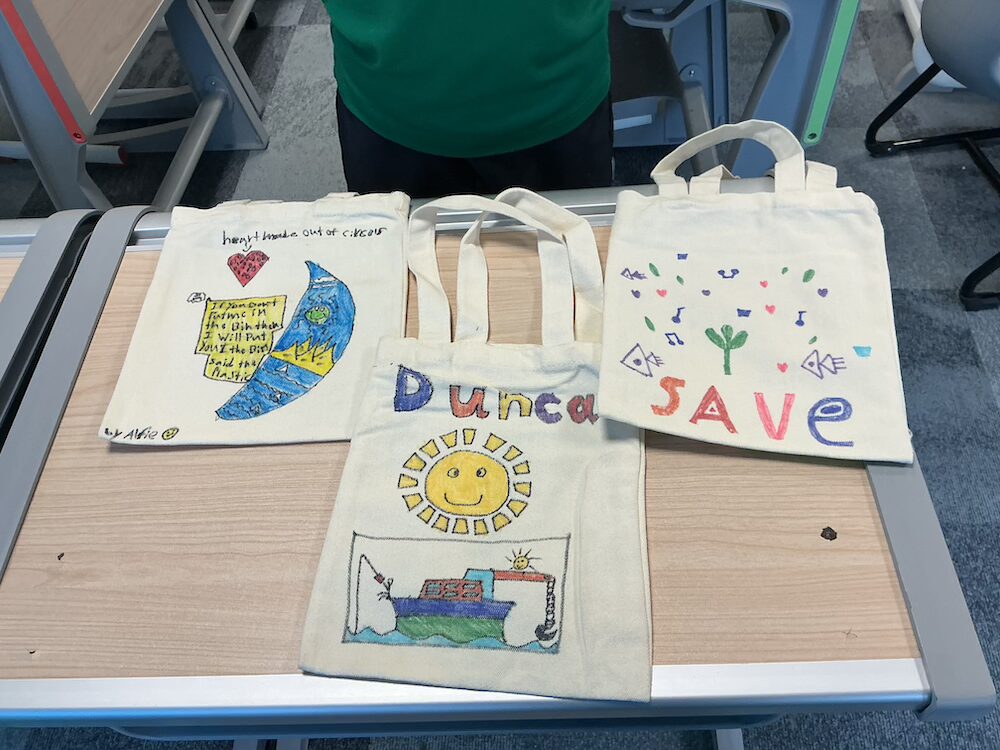
To take positive action as part of their house projects, students have participated in a wide range of creative and service-oriented activities throughout the year. Under the guidance of Ms Neha Kaprani, Head of Pastoral Care for Primary School, each grade level contributed in age-appropriate ways while remaining connected to the larger House goal.
Storytelling became a particularly meaningful theme for several projects. Students explored the power of stories to inspire awareness, empathy, and positive action. Across different grade levels, students wrote stories, acted out performances, created podcasts, and even planned storytelling sessions within the community.
Some of the older Primary students also visited local preschools, sharing stories directly with younger children as part of their outreach efforts. These experiences have not only developed communication and leadership skills, but have also encouraged students to think beyond themselves and connect with the wider community.
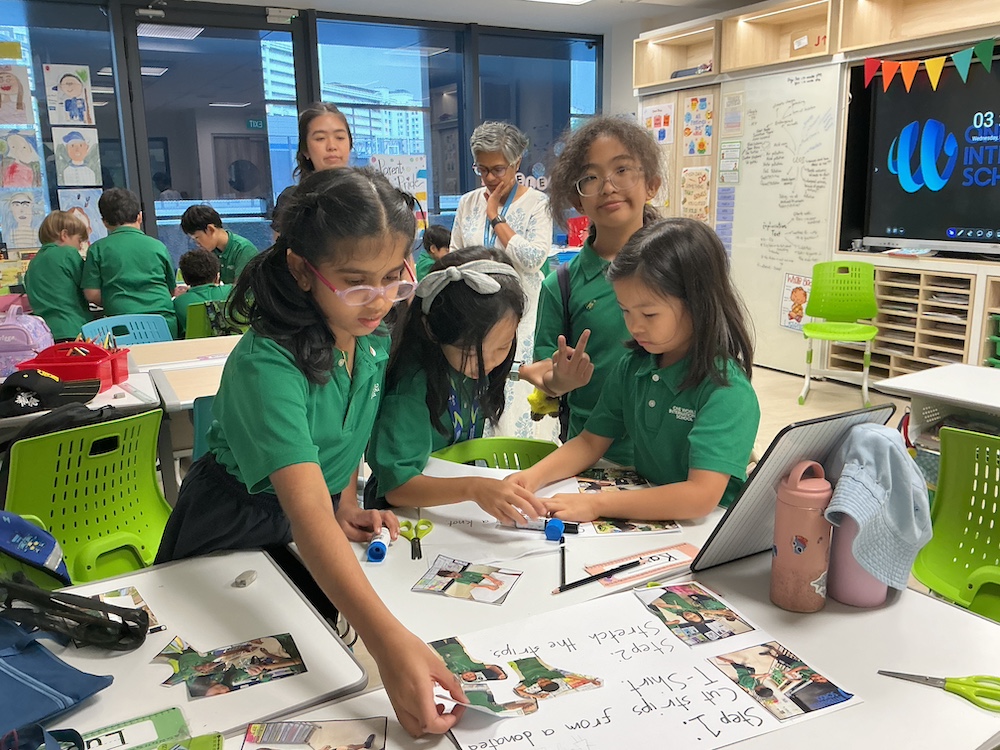
The projects have also encouraged students to make sustainable and thoughtful choices in their everyday actions. Activities such as planting, recycling, reusing materials, donating items, and creating purposeful crafts have helped students understand how small actions can contribute to larger global goals.
“The House Project System strongly helped our students reflect the school value of kindness,” Ms Kaprani explained. “Students consistently demonstrate care, empathy, and a genuine willingness to support others through thoughtful, service-oriented actions.”
Developing Leadership and Student Voice
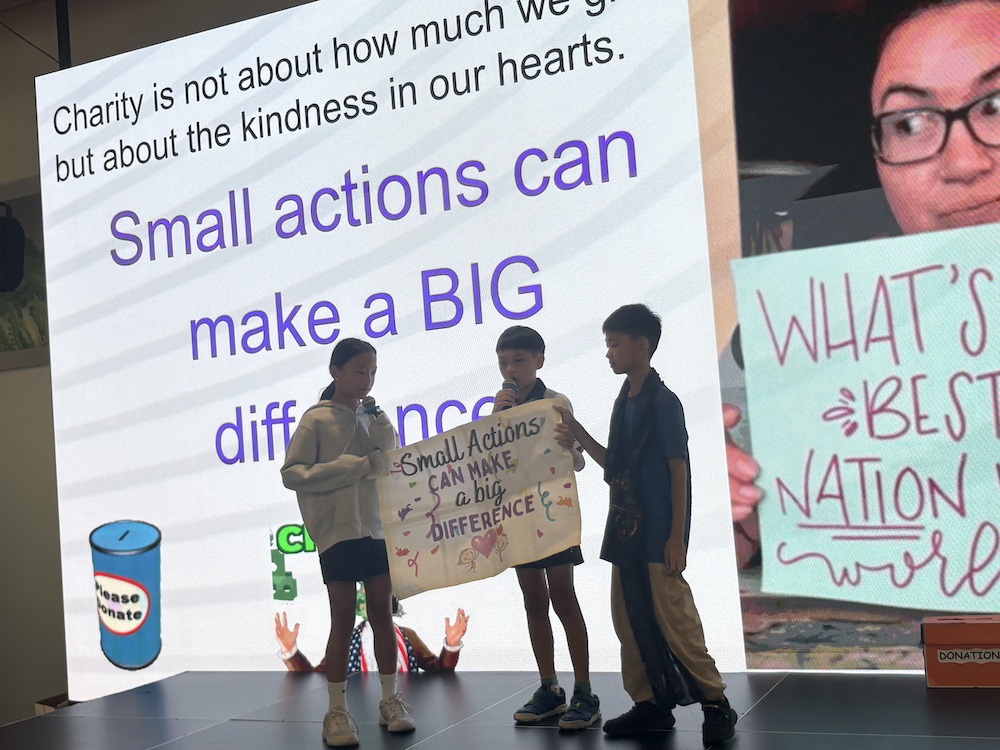
An important part of the House Project System is the active involvement of student leaders. House Captains and Vice Captains play a key role in supporting activities, documenting projects, and sharing progress with the wider school community.
By empowering students to take ownership of projects and contribute ideas, the house projects introduced this year have encouraged agency and responsibility from an early age.
The collaborative nature of the programme also allows younger students to look up to older peers as role models, strengthening relationships across year levels and helping students feel connected to a larger school community.
“First of all, it is developing community within the houses, but going beyond the idea of competitions,” shared Mr Deller. “They’re taking meaningful action through coming together and working together towards a shared goal.”
A Community Built on Kindness
At the heart of the House charity projects is the value of kindness — a core part of the OWIS philosophy. Through their projects, students learn that kindness can take many forms: caring for the environment, supporting those in need, sharing knowledge, or simply working together respectfully.
“It links together nicely because it is guided by the UN Sustainable Development Goals,” Mr Deller shared. “So, we show kindness to each other, kindness to the local community, and kindness in many cases to the global community.”
The House system has created an environment where collaboration takes priority over rivalry. Rather than competing against one another, students are united by common goals and a shared desire to contribute positively to society.
“There’s no feeling of ‘we’re a better House than you,’” Mr Deller added. “Actually, we’re each of us in a House that is working together to do something.”
This culture of collaboration has helped foster a warm and inclusive environment where students feel valued, connected, and empowered to make a difference.
Culminating in Meaningful Action
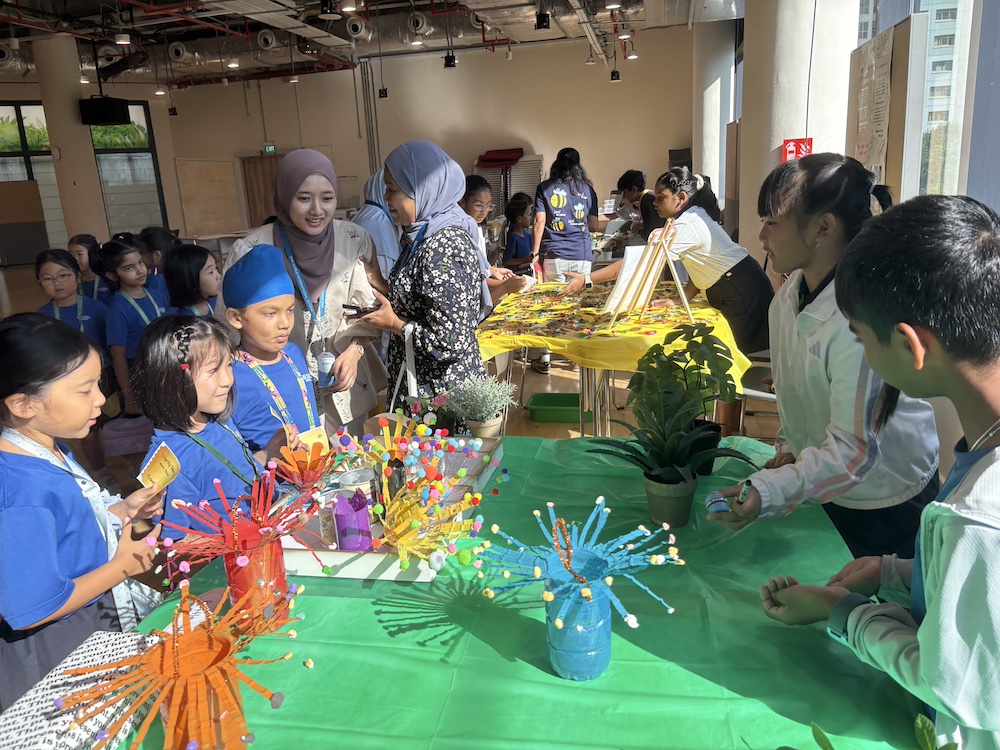
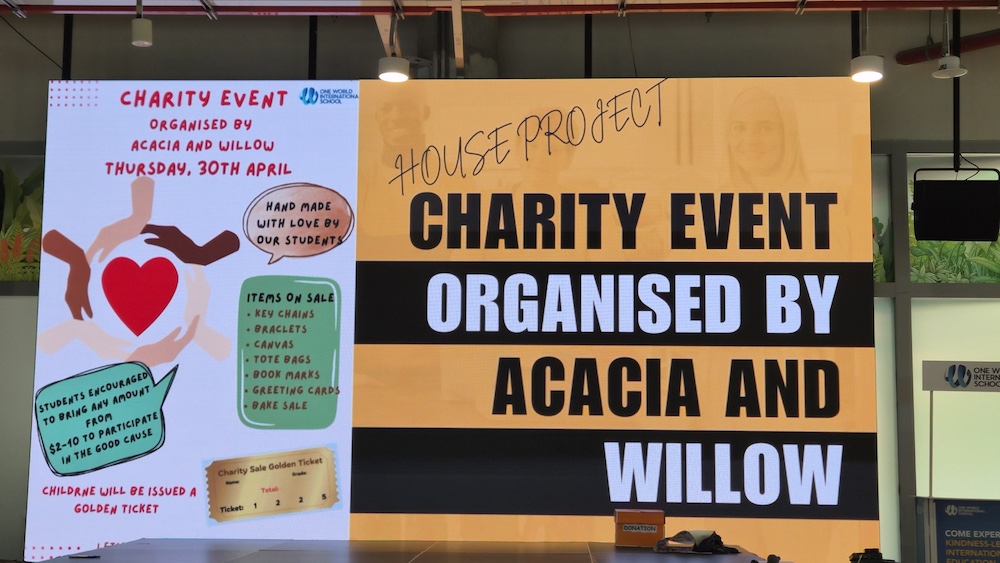
As part of our Year-Long House Project, students created a variety of handmade items such as bookmarks, keychains, bracelets, cards, pen holders, piggy bank and canvases, many of which were thoughtfully made using recycled materials for the charity sale.
The entire Primary community also came together to support the House Project Charity Bake Sale. Through the collective efforts and generous contributions of students, parents, and staff, the amount raised was an astounding $2110. The funds will be donated to World Vision to support daily meals for more than 10 underprivileged children for an entire year.
In addition, clothes collected during the project will also be donated to support families in need. Beyond fundraising, students explored ways to spread joy and kindness through storytelling and skits designed to bring smiles and happiness to underprivileged children.
To celebrate the journey and impact of the House projects, OWIS Digital Campus will also host a final exhibition during the last two weeks of the academic year. The exhibition will showcase the wide variety of projects, activities, and student learning experiences completed throughout the year and will be shared with the wider school community.
Reflecting on the success of the initiative, Mr Deller shared, “Our team has done a really good job of turning an idea into something that has become a reality and worked really well. It should definitely be something that will carry on next year.”
Through the House Project initiative, students at OWIS Digital Campus are learning that even small actions can create meaningful change. More importantly, they are discovering the value of kindness, collaboration, and community — lessons that will stay with them long after Primary School.
FAQs
- What are the four houses in OWIS in Singapore?
The four Houses at OWIS Digital Campus are Acacia, Wisteria, Willow, and Flame.
2. What is the pastoral care programme at OWIS in Singapore?
The pastoral care programme at One World International School focuses on student wellbeing, emotional support, and character development.
3. How important is kindness at One World International School?
Kindness is one of the core values at One World International School in Singapore. It sits at the heart of everything students do. It is expressed through how students treat one another, contribute to their community, and take action to support others through learning, service, and collaboration.